Cuddon Freeze Dry Logo

2026 Best Freeze Dry Machine For Home Which One?

Choosing the 2026 Best Freeze Dry Machine For Home is not simply a matter of selecting the largest unit. A reliable home freeze dryer must balance batch capacity, drying speed, vacuum performance, noise, energy use, cleaning, and long-term support. The right choice depends on your household, food habits, storage goals, and available space.

Dr. Elizabeth L. Andress, a respected food preservation specialist, has emphasized a practical rule: “Use tested methods and follow directions carefully.” That principle matters here. Freeze-drying removes moisture, but it does not repair spoiled ingredients or replace safe handling. Fresh fruit should feel fully dry and crisp, while meat requires careful preparation and proper storage after processing. Small details matter.

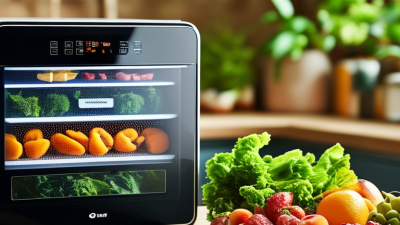
Look closely at the trays.

This guide compares popular models through an evidence-based lens. It considers real capacity rather than advertised capacity, pump maintenance, control features, warranty terms, and user feedback. A stainless-steel tray may look impressive, yet the machine’s vacuum system often determines everyday performance. A quiet unit can also be more valuable than a slightly faster one, especially in a family kitchen.

There is no flawless answer. Some machines cost more because they offer stronger support, not magical results. Electricity consumption may also surprise new owners. Even experienced users can misjudge batch timing when foods contain different moisture levels. The recommendations ahead may not fit every budget or kitchen layout. Still, they should make the decision clearer, more practical, and less dependent on attractive marketing claims.
2026 Best Freeze Dry Machine For Home Which One?

What Is a Home Freeze Dryer and How Does It Work?

2026 Best Freeze Dry Machine For Home Which One?

What Is a Home Freeze Dryer and How Does It Work?

A home freeze dryer removes water from food through freezing, vacuum pressure, and gentle heat. The process is called sublimation. Frozen water changes directly into vapor instead of becoming liquid. This helps preserve food structure, flavor, and many nutrients better than ordinary dehydration.

Inside the chamber, food sits on shallow trays and freezes to a very low temperature. A vacuum pump then lowers the pressure around the food. Controlled heat encourages ice to leave the food as vapor. The vapor collects on a colder surface, while sensors monitor pressure and temperature. A complete cycle may take many hours, depending on food thickness, moisture, and load size.

Thin, evenly cut pieces usually dry more consistently. I would avoid overloading the trays, even when the manual suggests maximum capacity. More food can mean uneven drying. That is an easy mistake. After the cycle, break open the thickest piece and check for cold, soft, or icy centers. If moisture remains, continue drying. Store finished food in airtight packaging with oxygen absorbers, then label the date clearly. Clean the chamber, trays, drain area, and pump according to the instructions. A home machine can be convenient, but it still needs attention, electricity, ventilation, and realistic expectations.

Which Features Matter Most in a 2026 Home Freeze Dryer?

Choosing a home freeze dryer in 2026 requires more than checking tray size. The machine should reach a stable vacuum, control shelf temperature, and detect when food is truly dry. Grand View Research estimates the global freeze-drying equipment market will grow strongly through 2030, driven partly by food preservation demand. That growth does not guarantee better household results. Home units still vary in cycle time, noise, energy use, and moisture removal.

Capacity matters, but consistency matters more. A larger chamber can process more fruit, meals, or herbs, yet it may need longer cycles. Look for clear vacuum readings, removable trays, reliable door seals, and simple cleaning access. A pump with manageable oil changes can reduce maintenance frustration. Power consumption deserves attention too. Electricity use depends on batch size, room temperature, and cycle length, so advertised figures may feel optimistic.

Tips: Weigh a fresh batch before processing. Record its final weight and texture. If the center feels cold or soft, extend the cycle.

The National Center for Home Food Preservation stresses complete drying, moisture-proof packaging, and proper storage.

I would also leave space around the machine for ventilation. Small rooms can become surprisingly warm. Do not buy only for occasional emergency storage; the equipment may sit unused, and that changes the real value. A quieter machine may be worth more than an extra tray.

How to Compare the Best Freeze Dryers for Home Use

Choosing the best freeze dryer for home use requires more than comparing advertised capacity. Start with usable tray space, not the headline chamber size. A family may need four trays for weekly meals, while occasional users may prefer a smaller machine. Check the minimum batch size, too. Some units perform poorly when lightly loaded. That detail is easy to miss.

Compare freezing performance, vacuum stability, drying-time controls, and sensor accuracy. A reliable machine should handle fruit, cooked meals, and meat without leaving cold centers. Ask how easily you can inspect seals, clean the drain, and replace serviceable parts. Noise matters in a home kitchen. So does electricity use. Record these costs over several batches, rather than trusting one estimate. A clear manual and responsive technical support also show professional reliability.

I once compared two machines using sliced apples and cooked rice. The apples dried evenly, but the rice needed extra time because its pieces were thicker. My test was not perfectly controlled. Room temperature, tray spacing, and moisture all affected the result. That is worth remembering. Look for independent test evidence, safety certifications, warranty conditions, and realistic user reports. Avoid choosing by price alone. A lower purchase cost may hide slower cycles, difficult cleaning, or expensive repairs. The better choice is the machine that fits your batch size, kitchen space, maintenance habits, and patience.

2026 Best Freeze Dry Machine for Home: Which One? — How to Compare the Best Freeze Dryers for Home Use

A practical comparison of common home freeze-dryer configurations based on capacity, power requirements, operating characteristics, and household usability.

Comparison Dimension Compact Home Unit Standard Home Unit Large Home Unit What to Look For
Typical Fresh-Food Capacity per Batch 4–6 lb (1.8–2.7 kg) 7–10 lb (3.2–4.5 kg) 10–16 lb (4.5–7.3 kg) Choose capacity according to household size, storage goals, and how often you plan to run batches.
Approximate Finished Food Weight 1–2 lb (0.45–0.9 kg) 2–3.5 lb (0.9–1.6 kg) 3–5.5 lb (1.4–2.5 kg) Freeze-dried food becomes much lighter because most water is removed during the process.
Typical Batch Duration 20–36 hours 24–40 hours 28–48 hours Actual time depends on food thickness, sugar content, moisture level, loading quantity, and final dryness settings.
Condenser Temperature Range Approximately −30°C to −40°C Approximately −40°C to −50°C Approximately −40°C to −50°C A colder condenser generally provides more vapor-capture margin, especially for wet or heavily loaded batches.
Vacuum Operating Range Typically below 500 mTorr during drying Typically below 500 mTorr during drying Typically below 500 mTorr during drying Stable vacuum performance is more important than a low advertised minimum pressure.
Typical Electrical Supply 110–120 V or 220–240 V, depending on configuration 110–120 V or 220–240 V, depending on configuration Often 220–240 V for higher-capacity configurations Check voltage, frequency, circuit amperage, plug type, and local electrical requirements before purchase.
Typical Running Power Approximately 0.8–1.3 kW Approximately 1.0–1.6 kW Approximately 1.3–2.0 kW Energy use varies throughout a cycle; heater operation and vacuum-pump performance have a major effect.
Chamber and Tray Configuration Small chamber with 3–4 trays Medium chamber with 4–5 trays Large chamber with 5–7 trays Removable, dishwasher-safe stainless-steel trays simplify loading and cleaning.
Approximate Floor Space 2–3 sq. ft. (0.19–0.28 sq. m) 3–5 sq. ft. (0.28–0.46 sq. m) 4–7 sq. ft. (0.37–0.65 sq. m) Allow additional clearance for ventilation, door opening, hose routing, and pump access.
Approximate Empty Weight 45–75 lb (20–34 kg) 60–100 lb (27–45 kg) 90–150 lb (41–68 kg) Use a strong, level surface; larger units may require a dedicated stand or two-person handling.
Oil-Pump Maintenance Oil changes commonly required after several batches Oil changes commonly required after several batches Oil changes commonly required after several batches Oil-free pumps reduce routine oil handling but may have different noise, service, and replacement costs.
Noise Consideration Usually noticeable during vacuum-pump operation Usually noticeable during vacuum-pump operation Usually more noticeable because of larger pumps and longer cycles Place the unit in a ventilated utility room, garage, pantry, or other location where pump noise is acceptable.
Best Use Case Small households, occasional batches, limited storage space Most households seeking a balance of capacity and practicality Frequent preservation, gardening, bulk cooking, or emergency-food preparation The standard size is often the most balanced option when space, budget, and workload are equally important.
Main Advantage Lower space requirement and easier handling Good capacity without the footprint of a large commercial-style unit Higher throughput and fewer batches for large quantities Match the advantage to your actual weekly or monthly preservation volume.
Main Limitation Lower output per cycle Requires substantial counter or floor space and long cycle times Higher purchase cost, power demand, weight, and space requirement A larger machine is not automatically better if it will be underfilled or difficult to maintain.
Food Types Commonly Suitable Fruit, vegetables, cooked meals, herbs, dairy-based foods Fruit, vegetables, meats, cooked meals, dairy-based foods, snacks Large mixed batches of fruit, vegetables, meats, meals, and ingredients Foods should be cut into evenly sized pieces; very fatty foods may not store as well as lean, low-moisture foods.
Storage Potential After Proper Packaging Often several years in oxygen-controlled, moisture-resistant packaging Often several years in oxygen-controlled, moisture-resistant packaging Often several years in oxygen-controlled, moisture-resistant packaging Shelf life depends on complete drying, packaging quality, oxygen exposure, moisture, light, and storage temperature.
Recommended Buyer Someone testing freeze-drying before committing to a larger setup A household wanting versatile, regular home preservation A high-volume user who can support the space, electrical, and maintenance requirements Prioritize realistic batch frequency over maximum advertised capacity.

Important: The figures above are representative ranges for household freeze-dryer configurations, not specifications for a particular brand or company. Actual capacity, cycle time, energy use, temperature, vacuum performance, dimensions, and electrical requirements vary by design and food load. Always confirm the current technical manual and local electrical requirements before purchase.

What Foods Can You Freeze-Dry at Home?

At home, freeze-drying works best with foods that contain water but little fat. Strawberries, bananas, apples, peas, sweet corn, herbs, cooked chicken, lean beef, and yogurt usually become crisp and light. Thin slices dry more evenly. A strawberry half should snap, not bend. I once packed fruit too early; the center felt dry, but moisture returned overnight.

Food safety still matters. Freeze-drying removes moisture, but it does not reliably destroy bacteria. The USDA recommends cooking poultry to 165°F and ground meats to 160°F before processing. The FDA Food Code identifies 0.85 water activity as an important control point for many pathogens, although some molds and yeasts tolerate less moisture. Use a calibrated meter when possible, or inspect thick pieces carefully. This is not perfect science in a kitchen.

Avoid butter, oily sauces, fatty bacon, and large avocado pieces. Their fat can turn rancid during storage. Dairy powders, cooked rice, soups, and scrambled eggs may work, but texture can disappoint. The USDA Economic Research Service estimates that 30–40% of the U.S. food supply is lost or wasted, so preserving leftovers has practical value. Store finished food in moisture-proof packaging with oxygen control, then label the date and ingredients. A cool, dark cupboard helps, but storage claims should be tested rather than trusted blindly.

How to Choose, Install, and Maintain Your Freeze Dryer

2026 Best Freeze Dry Machine For Home Which One?

Choosing a home freeze dryer starts with real household needs, not impressive capacity claims. Grand View Research valued the global freeze-drying equipment market at about USD 2.7 billion in 2023, showing strong industry growth. Still, a larger unit may waste electricity and counter space. Compare tray area, batch weight, cycle duration, noise, vacuum-pump design, and replacement-part costs. Stainless-steel food-contact surfaces are easier to inspect and clean. Check the electrical rating carefully. A dedicated circuit is often safer than sharing one with a freezer.

Installation needs patience. Place the machine on a firm, level floor with open space around vents. Keep it away from heat, damp walls, and direct sunlight. Follow the supplied manual for drainage, grounding, and vacuum connections. The U.S. Department of Energy reports that residential electricity use remains substantial, so record each cycle’s power consumption before deciding whether the machine suits your budget. I would not trust a cheap wattage estimate alone. Actual drying time changes with food thickness, sugar content, and room temperature.

Tips: Pre-freeze food in thin, even layers. Label every bag with the date and moisture check. Clean the chamber and gasket after each batch. Defrost the condenser fully before the next run. Inspect the vacuum oil for cloudiness, although oil-change timing varies by model and workload. The USDA recommends clean handling and sealed storage for dried foods. A failed seal can ruin a perfect batch overnight.

2026 Best Freeze Dry Machine for Home: How to Choose, Install, and Maintain Your Freeze Dryer

Typical temperature ranges used during the main stages of home freeze-drying

A suitable home freeze dryer should be able to freeze food to approximately −30°C to −40°C, maintain low shelf temperatures during primary drying, and provide controlled warming during secondary drying. Install the unit in a cool, well-ventilated area with a stable power supply. Regularly clean the chamber, inspect the door gasket, change the vacuum pump oil when required, and keep the condenser and drain system free from ice and debris. Actual settings vary by food, load size, equipment design, and local operating conditions.