How to Choose the Best Artificial Lift Technologies for Oil Production?
In the quest for efficient oil production, choosing the right Artificial Lift Technologies is critical. These technologies significantly impact production rates and overall project economics. Various options are available, each with strengths and weaknesses.
Selecting the most suitable technology is not always straightforward. Factors include the type of reservoir, oil properties, and depth. For example, in shallow reservoirs, gas lift systems might be ideal. However, deeper reservoirs may benefit from electric submersible pumps. It’s essential to evaluate these conditions carefully.
Moreover, not all operators have the same requirements. Some may prioritize initial costs, while others focus on long-term efficiency. This complexity can lead to mistakes if choices are made without thorough analysis. Ultimately, understanding the specific needs of each production scenario is necessary for effective decision-making in Artificial Lift Technologies.
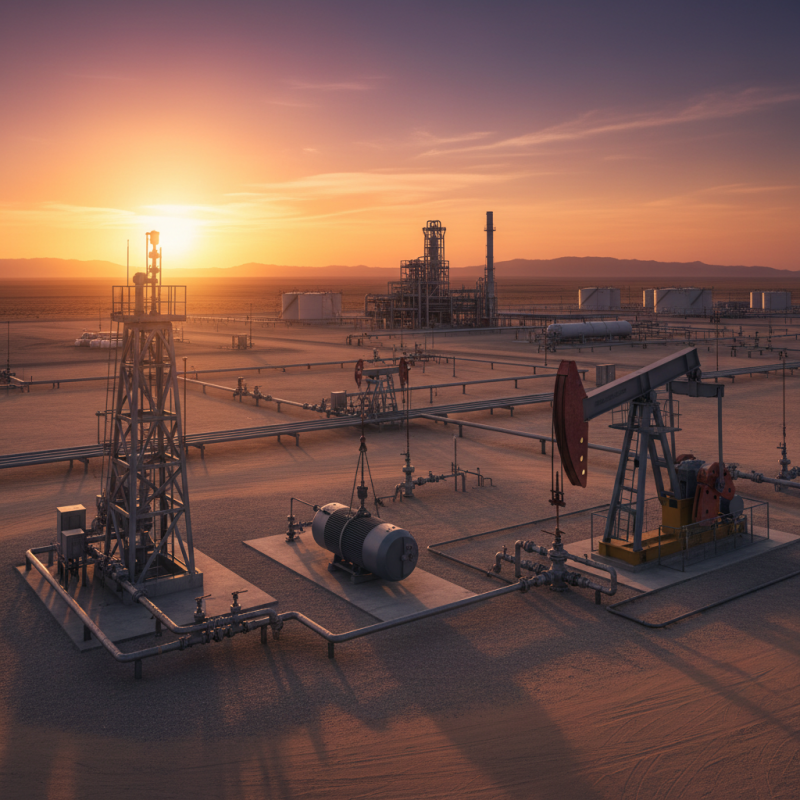
Understanding Artificial Lift Technologies in Oil Production
Understanding artificial lift technologies is crucial for efficient oil production. These methods enhance the flow of oil from reservoirs. By implementing them, operators can maximize output and maintain well productivity. Common technologies include rod pumps, electrical submersible pumps, and gas lift systems. Each has its unique features and applications.
Choosing the right technology can be challenging. Factors like reservoir depth, fluid characteristics, and production rate all play a role. For example, rod pumps work well in shallow wells but may fail in deeper ones. Conversely, gas lift systems can handle high-viscosity fluids effectively. However, they require careful planning and maintenance.
Reflecting on these technologies reveals their complexities. Operators might overlook energy consumption, leading to higher costs. Moreover, the installation process can be disruptive and might not always guarantee success. Each well presents unique challenges. Continuous assessment and adaptation are crucial for optimizing production efficiency.
Comparison of Artificial Lift Technologies in Oil Production
Evaluating the Need for Artificial Lift in Specific Oil Fields
When evaluating the need for artificial lift in specific oil fields, it’s essential to consider production rates and reservoir characteristics. Each field has unique attributes, including depth, pressure, and fluid composition. According to a recent report by the Society of Petroleum Engineers, around 80% of oil wells require some form of artificial lift to maintain productivity levels. This statistic highlights the importance of making informed decisions based on field-specific data.
Assessing the need for artificial lift should also involve analyzing historical production data. For instance, wells experiencing declining rates may benefit significantly from implementing lift technologies. Consider hydraulic lift methods, which can enhance recovery in mature fields. However, their effectiveness varies. Some may not justify the costs, leading to inefficient investments.
Tip: Always assess the current production curve of your well. Look for signs of declining performance. Deep dive into pressure data, fluid characteristics, and benchmark against industry stats.
Another crucial element is evaluating the economic impact. A field may show technical feasibility for lift but could pose financial risks. For example, a study revealed that improper lift technology selection could result in up to a 30% loss in potential revenue. Aim for a balance between technical efficiency and economic viability.
Tip: Engage with field experts to gain insights. Their experience can provide valuable context. Choose technologies that align with both your technical requirements and financial goals.
Comparing Different Types of Artificial Lift Systems
Choosing the right artificial lift technology is critical for optimizing oil production. Each system offers unique advantages and limitations. For instance, rod pumps are widely used due to their simplicity. They are effective in shallow wells but struggle in deeper applications. Many operators face challenges with rod breakage, leading to costly downtime.
In contrast, progressive cavity pumps are efficient in variable flow environments. They can handle abrasive fluids well. However, their initial cost is often a barrier for many. Gas lift systems excel in high-volume production scenarios. They utilize injected gas to improve fluid movement. While this method can be effective, it might not be suitable for all reservoirs.
Electrical submersible pumps (ESPs) offer another alternative. They are powerful and can pump from great depths. Still, they consume significant energy, which raises operational costs. Each technology requires thorough evaluation. Factors like reservoir characteristics and financial constraints are crucial for decision-making. Reflecting on the specific needs of a field may lead to unexpected insights.
Key Factors to Consider When Selecting Artificial Lift Technologies
Choosing the best artificial lift technologies requires careful consideration of several key factors. The reservoir's characteristics play a vital role. For instance, the depth, pressure, and temperature affect the lift method's efficiency. High-pressure wells may need specific designs tailored for their unique conditions. Understanding these factors can lead to more productive outcomes.
Another essential factor is the operational costs associated with each technology. Some methods require extensive maintenance, while others are simpler but potentially less effective. It's crucial to evaluate the balance between upfront investment and long-term expenses. Sometimes, a cost-effective solution may not yield the best results.
Lastly, flexibility is important. As production conditions change, the chosen technology must adapt. Rigid systems can become costly liabilities. Frequent assessment of performance and adaptability can prevent future challenges. Reflecting on these aspects helps in making informed decisions that can significantly impact oil production efficiency.
Analyzing Cost-Effectiveness and Efficiency of Lift Solutions
When selecting the best artificial lift technologies, cost-effectiveness and efficiency are paramount. Various lift solutions exist, each with its merits. Some options are more economical in specific situations. Understanding these nuances is essential for optimizing production.
Efficiency plays a significant role in determining long-term viability. Gas lift systems may have lower upfront costs but raise operational challenges. Meanwhile, electric submersible pumps can provide high efficiency. However, they often require substantial investments. Evaluating the complete lifecycle cost of each option is crucial.
It is easy to overlook maintenance costs and downtime. These factors can erode potential savings. Some technologies may promise high outputs but can fail in demanding environments. Each site is unique. A one-size-fits-all approach often leads to suboptimal decisions. The right technology should align with the specific conditions of the oil field. Balancing initial expenses with sustainable performance can be tricky. Deep analysis of all variables is necessary for making informed choices.