How to Choose the Best Flat Bar Steel for Your Projects?
Choosing the right Flat Bar Steel can significantly impact your project's outcome. Flat Bar Steel is widely used in construction, fabrication, and DIY projects due to its strength and versatility. However, not all Flat Bar Steel is created equal. Factors such as thickness, width, material grade, and finish are crucial.
It's essential to assess your specific needs. A thicker bar might offer more strength but can be more challenging to work with. On the other hand, a narrower bar could be easier to manage but may lack certain structural properties. Experience in handling these materials can guide you in making informed decisions.
The market is flooded with options, and choosing the wrong type can lead to costly mistakes. Sometimes, seeking advice from industry professionals is wise. They can provide insights based on the latest trends and technologies. Reflecting on your project requirements can help you find the ideal Flat Bar Steel that combines durability and efficiency.
Understanding the Basics of Flat Bar Steel Materials
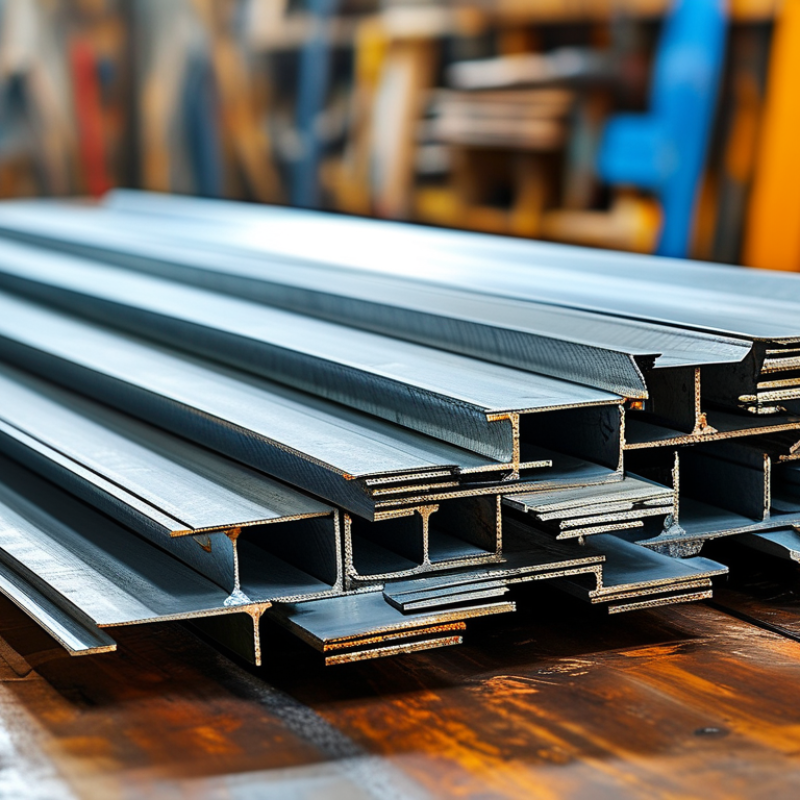
Flat bar steel is commonly used in various projects due to its versatility. Understanding the basics of flat bar steel materials is essential for making informed choices. Flat bar steel comes in different sizes and thicknesses. The dimensions can affect the strength and weight of the material. Thicker bars provide greater strength but may be harder to work with.
The most common steel grades are mild steel and stainless steel. Mild steel is easy to cut and weld. It is suitable for general-purpose applications. On the other hand, stainless steel offers better resistance to corrosion. It is ideal for outdoor projects or environments with moisture. Knowing these properties will help you make better decisions for your specific needs.
Consider the intended use of the flat bar steel. Will it bear heavy loads? Should it resist harsh weather conditions? Reflect on these questions before you decide. While many people think all flat bars are the same, they are not. Each type has its unique benefits and limitations. Take time to evaluate your project requirements carefully.
Identifying the Right Flat Bar Steel Dimensions for Your Needs
Choosing the right flat bar steel dimensions is crucial for project success. Understanding the specific requirements of your project will guide your selection. Flat bars come in various widths and thicknesses, each influencing strength and flexibility. For example, a thicker bar offers more strength but may limit flexibility. Consider the weight requirements of your project. If it's heavy-duty, opt for a thicker steel.
Dimensions that align with your project needs can prevent future issues. If your dimensions are off, you may end up with excess material or inadequate support. Always measure carefully and consider your design.
It is wise to consult with professionals or experienced workers when unsure. Their insights can reveal potential shortcomings in your original plan.
Reflect on the potential for errors in dimension selection. A small miscalculation can lead to significant problems down the line. Be prepared to adjust your approach based on feedback and experiences. Engaging with a community of builders or engineers can provide valuable information.
Accurate dimensions will not only enhance safety but also the overall appearance of your work.
Evaluating the Strength and Durability of Flat Bar Steel Options
When choosing flat bar steel, strength and durability are paramount. Flat bar steel is widely used in construction and manufacturing. Assessing yield strength and tensile strength helps determine a material's load-bearing capacity. According to industry reports, the yield strength of mild steel typically ranges between 250 MPa to 370 MPa, while tensile strength can go as high as 540 MPa. Selecting steel within these parameters ensures that it can withstand significant forces without deformation.
Consider the intended application of your flat bar steel. For high-stress environments, opt for higher grades such as structural steel. Look for options that are also resistant to corrosion, as this enhances longevity. A study by the American Institute of Steel Construction highlights the importance of protective coatings. These coatings can elevate the lifespan of flat bar steel by up to 30% under harsh conditions.
Tips: Always request a material certification. This document provides crucial data on the steel's mechanical properties. Testing pieces from different batches can also uncover variations in quality. Be mindful of your project’s unique requirements, as they can significantly influence your material choice. Balancing cost with performance is key to success in your project.
Comparing Different Grades and Types of Flat Bar Steel
Choosing the right flat bar steel for your project involves comparing various grades and types. Flat bar steel is available in different specifications, each suited for specific applications. According to the American Iron and Steel Institute, structural steel grades are typically defined by yield strength and composition. Common grades like A36 offer good weldability while stainless steel grades like A240 provide excellent corrosion resistance.
When evaluating flat bar steel, consider its thickness, width, and alloy composition. A thicker bar generally provides more strength but can impact weight and compatibility with certain fittings. The type of steel, whether mild, alloy, or stainless, also plays a crucial role in its application. For instance, alloy steels may offer enhanced durability but can be costlier. Data from ASTM International indicates that some grades may exceed 50 ksi in yield strength, making them suitable for heavy-duty projects.
Tip: Test samples of different grades before committing to a large order. This will ensure that the selected material meets your project requirements and expectations. Be aware that not all suppliers provide clarity on yield strengths, which can complicate your decision-making.
Pay attention to the finish of the steel as well. A rough surface might affect the final appearance of your project. On the other hand, a polished surface can enhance aesthetics but may require additional environmental resistance consideration. Balancing aesthetic and functional needs is vital for successful project outcomes.
Comparison of Different Grades of Flat Bar Steel
Cost Considerations and Budgeting for Flat Bar Steel Projects
When budgeting for flat bar steel projects, various factors come into play. The cost of flat bar steel can vary significantly, influenced by factors like grade, thickness, and market fluctuations. According to the Metal Construction Association, the average price of flat bar steel can range from $0.50 to $3.00 per pound. Understanding these aspects helps in effectively estimating total expenditures for your project.
Tip: Always compare quotes from multiple suppliers. This can help you secure better prices and avoid overpaying.
Beyond the initial price, consider other costs. Fabrication, finishing, and transportation all add up. If you underestimate these, your budget may fall short. For instance, the National Institute of Standards and Technology suggests factoring in an additional 20% for unexpected expenses.
Tip: Create a detailed budget outline and include a contingency fund. This can cushion unforeseen costs that may arise during your project.
Long-term, the choice of steel can affect overall project costs. Higher quality steel may have a higher upfront cost but can lead to lower maintenance and replacement expenses. Balancing immediate costs with long-term benefits is crucial in making a sound decision. Always reflect on what the best option is based on your specific needs.