How to Choose the Best Raschel Bag for Your Business Need?
Choosing the right Raschel Bag for your business is essential. These bags are durable, lightweight, and versatile. They can suit various needs, such as packaging or transportation. Understanding your specific needs will guide your selection process.
Different industries utilize Raschel Bags differently. For instance, in agriculture, these bags often carry bulk crops. In retail, they may package products for display. Quality matters. A well-constructed Raschel Bag can enhance your brand's image.
Consider factors like size, color, and strength when making your choice. It’s crucial to reflect on past experiences with similar bags. Have they met your expectations? Engaging with suppliers who provide reliable options is vital to ensure your satisfaction. Choosing a Raschel Bag can appear simple, but it requires thoughtful consideration to align with your business objectives.
Understanding Raschel Bags and Their Applications
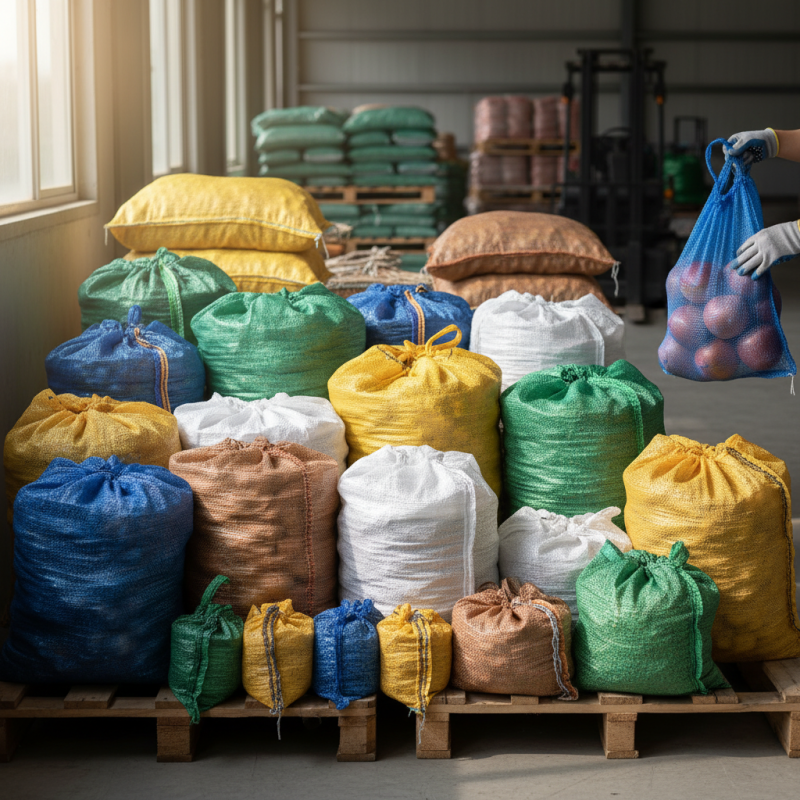
Raschel bags are woven plastic bags, often used in various industries. They are lightweight and durable, making them suitable for transporting goods. Businesses often prefer these bags for their versatility. From agricultural products to retail packaging, their applications are vast.
Understanding the specific needs of your business is crucial when selecting a Raschel bag. These bags can be used for storing produce, such as fruits and vegetables. However, not all Raschel bags are created equal. Some may lack the strength needed to carry heavier loads.
Identifying the right specifications is essential. Consider the weight capacity, size, and material quality. Some bags may appear cheaper but fail under pressure. Choosing wisely can prevent future logistical issues. Test different options to ensure reliability before making a bulk purchase.
Identifying Your Business Needs for Raschel Bags
When choosing a Raschel bag, it's essential to define your business needs clearly. Start by assessing the products you'll carry. Are they heavy or lightweight? This determines the strength and durability required from the bag material. Consider the size, too. A larger bag might be necessary for bulk items, while smaller bags may suffice for retail or individual products.
Think about the bag's purpose. Will it be used for transportation or packaging? If it’s for transportation, look for features like handles and reinforced stitching. If it’s for branding, consider options for customization. Many businesses overlook the importance of visual appeal. Your bag should reflect your brand’s colors and design. This attracts customers and leaves a lasting impression.
Additionally, evaluate the environmental impact of your choice. Sustainable materials are gaining importance. However, be mindful that not all “eco-friendly” options are practical. Sometimes, a cheaper, less durable bag may seem appealing initially. Yet, if it fails quickly, it can lead to higher costs in the long run. Balancing cost with quality is crucial. Reflect on how each option aligns with your values and business goals.
Key Features to Consider When Choosing a Raschel Bag
When selecting a Raschel bag, several key features demand your attention. First, consider the material quality. Raschel bags are often made from high-density polyethylene (HDPE) or polypropylene. According to recent market analysis, over 60% of consumers prioritize durability. A strong bag can handle heavy loads, critical for various business needs.
Next, analyze the bag's weight capacity. Many Raschel bags can securely carry between 50 to 75 pounds. This capacity range is essential for logistics and transportation industries. If a bag fails, it can lead to product loss and affect your bottom line. In fact, companies experience a 15% increase in customer satisfaction when using reliable packaging options.
A notable feature is the bag's design. A well-ventilated, mesh structure promotes breathability for products like agricultural goods. Additionally, customization options, such as size and color, allow for brand identity, catering to a wider audience. However, balance design with functionality, as overly specialized bags may lead to inefficiencies. Always test samples to ensure they meet your specific needs.
Raschel Bag Features Importance for Business Selection
Evaluating Quality and Material for Durability
When selecting a Raschel bag, evaluating its quality and material is paramount. The durability of a Raschel bag often hinges on the type of fabric used. Look for high-density polyethylene or polypropylene, which are popular choices. These materials resist tearing and wear, making them ideal for heavy loads. Consider the stitching; reinforced seams can prevent fraying at the edges.
Not all Raschel bags are created equal. Some may seem sturdy but fail under pressure. Weight testing the bags can offer insight into their strength. A reputable supplier will provide samples for evaluation. Pay attention to the handles; they should feel comfortable and secure. Testing them with weight will reveal any potential weaknesses.
Do not rush the decision. Take the time to assess each option carefully. Reflect on the specific needs of your business. A bag that works well for one application might not suit another. Be prepared to ask questions. Understanding the manufacturing process can enhance your decision-making. Ultimately, investing time in evaluating quality will pay off in long-term satisfaction.
Comparing Suppliers and Pricing for Best Value
When choosing a Raschel bag supplier, pricing is a key factor. Many vendors offer a range of prices, but the cheapest option isn't always best. The quality of materials and the durability of the bags need to be considered. A low price might indicate inferior quality, which can reflect poorly on your business.
Comparing suppliers is not just about cost. Look for companies with solid reviews and a good reputation. Reliable suppliers often provide samples. Testing samples helps you assess quality firsthand. Additionally, understanding the supplier's delivery timelines is crucial. Late shipments can lead to lost sales.
Make a list of potential suppliers and gather quotes. Reach out for more details about their products. Transparency in pricing can also help avoid hidden costs. Examine any import fees. They can impact your overall budget. Balancing quality and affordability is essential for long-term success.