What is a Grain Destoner Machine and How Does it Work?
The Grain Destoner Machine plays a vital role in agricultural processing. It effectively separates unwanted stones and impurities from grains. This process helps enhance the purity and quality of the final product. Many farmers and processors rely on this machine for efficient grain cleaning. The technology involved is both sophisticated and essential for maintaining industry standards.
Understanding how the Grain Destoner Machine operates can improve overall efficiency. The machine uses a combination of air flow and vibration to separate lighter materials from heavier grains. Operators must be skilled to adjust the settings for different grain types. Yet, challenges arise, especially when dealing with varied grain conditions. Misjudgments in operation could lead to product losses.
Workers need to grasp the machine’s intricate process fully. Each component needs regular maintenance to ensure optimal performance. Though many trust the Grain Destoner Machine, there can be pitfalls in usage. Continuous learning is crucial for all involved. By reflecting on experiences, industry partners can enhance practices and results.
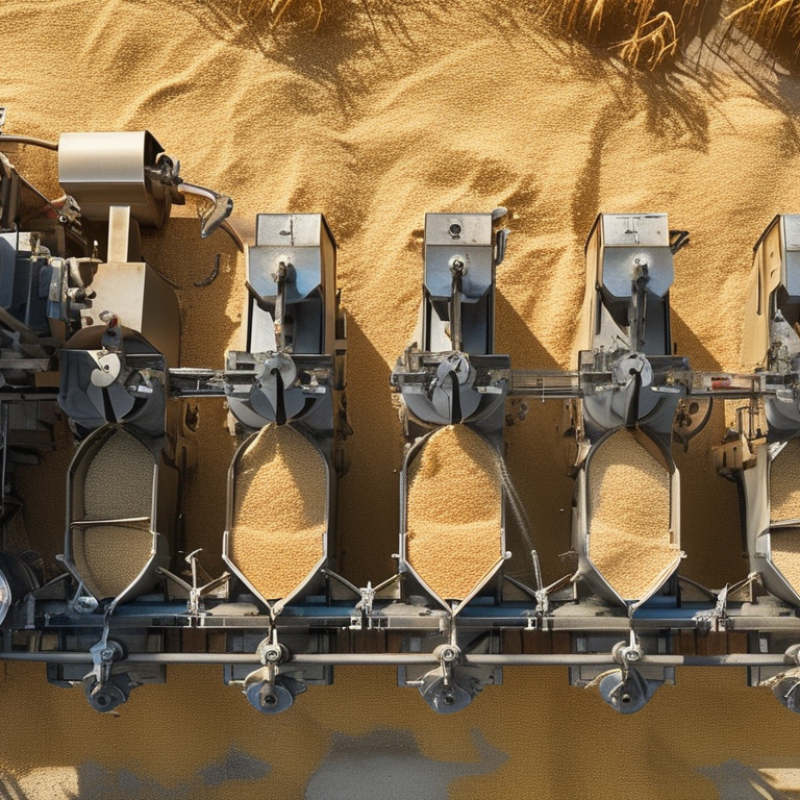
What is a Grain Destoner Machine?
A grain destoner machine is essential in the grain processing industry. It effectively removes stones and impurities from grains such as rice, wheat, and corn. By enhancing grain purity, it ensures better quality in the final product. The machine operates based on specific weight differences. Grains and stones have different densities, which allows the destoner to separate them efficiently.
When using a grain destoner machine, consider the feed rate. Too fast a feed can cause insufficient separation. Aim for a steady flow of grains. Regular maintenance is crucial. Check the air supply and the vibratory motion to maximize efficiency.
Remember to monitor the destoning process. Occasionally review the output quality to ensure that no stones remain. This step can prevent potential issues in later processing stages. Adopting these practices boosts the effectiveness of your grain destoning operations while ensuring quality control.
Key Components of a Grain Destoner Machine
A grain destoner machine plays a crucial role in the grain cleaning process. Its main purpose is to separate stones, dirt, and other impurities from grains. Understanding its key components helps to appreciate its function fully.
The primary part of a grain destoner is the vibrating screen. This screen allows grains to pass through while retaining heavier impurities like stones. The airflow system is another essential component. It helps to lift lighter materials away from the heavier grains. This separation is vital for maintaining the quality of the final grain product.
Other important components include the hopper and discharge system. The hopper feeds grains into the machine evenly. The discharge system ensures that cleaned grains exit efficiently. However, maintaining these machines can be challenging. Dirt buildup may affect performance. Regular cleaning and adjustments are necessary to ensure optimal functioning. By understanding these components, users can better manage their grain cleaning processes.
How Does a Grain Destoner Machine Operate?
A grain destoner machine is essential in agricultural processing. It uses a combination of air and vibration to separate stones and other heavy impurities from grains like rice, wheat, and corn. Understanding how it operates helps improve grain quality significantly.
The machine starts by pouring the grain mixture into a feed hopper. From there, it moves to a vibrating deck. The vibration causes the heavier stones to settle, while the lighter grains float on top. An air stream further assists in this separation. According to industry reports, using a destoner can enhance grain purity by over 95%, making it vital for food safety and quality assurance.
**Tips:** Regular maintenance of the destoner machine ensures consistent performance. Check for wear and tear on the vibrating decks. Additionally, calibrating the air stream optimizes the separation process.
Despite its effectiveness, users should reflect on the machine’s limitations. Not all stones or heavy impurities may be removed. Some operators report experiencing downtime due to maintenance issues. Understanding these nuances is crucial for maximizing operational efficiency. Regular training for staff on the machine's operation can mitigate many common challenges.
What is a Grain Destoner Machine and How Does it Work?
| Feature | Description | Function |
| Airflow System | Utilizes air filters to separate lighter impurities from grains | Enhances quality by removing foreign matter |
| Vibrating Screen | A mechanized screen that sorts grains based on size | Separates differently sized grains for uniformity |
| Hopper | Storage container for incoming grain | Facilitates controlled feeding into the system |
| Separator Deck | Series of screens configured to classify materials | Ensures effective sorting of grains |
| Control Panel | User interface for machine operation | Allows for adjustment of settings and monitoring |
| Dust Collector | Removes dust particles from the grain and air | Maintains cleanliness and reduces contamination |
Applications of Grain Destoner Machines in Agriculture
Grain destoner machines are vital in agriculture. They help farmers and processors remove unwanted stones and debris from grains. By doing this, the quality of grains improves significantly. Clean grains have better market value and are more appealing to consumers.
In various agricultural applications, grain destoners play a crucial role. They are used in rice, wheat, and corn processing. These machines enhance the efficiency of grain cleaning. However, the technology isn’t flawless; sometimes they miss smaller stones or foreign materials. Farmers must regularly maintain their machines to ensure optimal performance.
Beyond cleaning, destoners can contribute to storage safety. Contaminants can lead to spoilage or pest infestations. By reducing debris, these machines help maintain grain integrity. Nonetheless, some operators may overlook the importance of proper calibration. Regular checks can prevent mishaps, ensuring quality grains reach the market.
Benefits of Using a Grain Destoner Machine
Grain destoner machines play a crucial role in the agricultural industry. They effectively remove stones, dust, and other impurities from grains. This process enhances the quality of grains significantly. A report by the Food and Agriculture Organization (FAO) noted that effective grain processing could increase yield quality by up to 25%.
Using a grain destoner machine offers several advantages. First, these machines improve grain purity. Cleaner grains lead to better market prices. In the U.S. alone, grain quality improvements can boost farm incomes substantially. Approximately 70% of farmers who use these machines report enhanced profitability over time. Furthermore, destoners help reduce the wear and tear on milling equipment. This suggests a longer lifespan for milling machinery, ensuring cost efficiency.
While the benefits are clear, some challenges exist. Improper operation can lead to grain loss. Users must receive adequate training to maximize efficiency. Regular maintenance is also essential. Neglecting this can affect performance and yield quality. The balance between efficiency and proper use remains a vital topic for ongoing industry discussions.