Home Elevator Tips to Enhance Accessibility and Comfort?
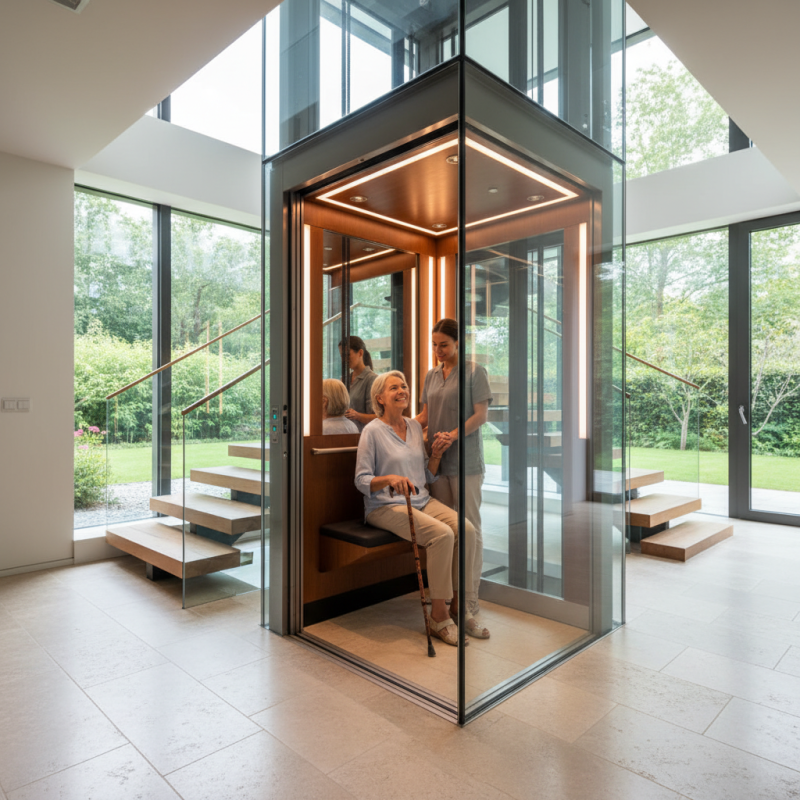
Home Elevators have become an essential part of modern living. They can greatly enhance accessibility and comfort in multilevel homes. With the right features, these elevators can make daily routines much easier for everyone, particularly those with mobility challenges.
When choosing a home elevator, consider various factors. The design should seamlessly blend with your home’s style. Size matters too; a spacious elevator ensures comfort for users and caregivers. Safety features, such as emergency stops, can provide peace of mind, which is crucial.
However, not all home elevators are created equal. Some may be noisy or slow, detracting from the experience. Researching different models is vital. Think about the long-term maintenance; this can often be overlooked. Accessibility is key, but the journey should be enjoyable, not just practical.
Consideration Factors for Choosing a Home Elevator
Choosing a home elevator involves several important considerations. Space is crucial. Not all homes have room for traditional elevators. A compact model may fit better in smaller homes. Many elevators require at least 18 square feet of space. This can limit options in city homes.
Weight capacity is another factor. Standard elevators can carry 750 to 1,000 pounds. If you plan to transport large items, ensure the lift meets this need. Some models boast higher capacities, around 1,500 pounds. This can provide peace of mind for families with mobility equipment.
Safety features should not be overlooked. Look for both emergency brakes and backup power systems. An industry report notes that 30% of elevator accidents happen due to negligence in these areas. Lighting and handrails can increase comfort and accessibility as well.
It's also valuable to assess installation logistics. Upgrading a home can be disruptive. Assessing the build's structure will help avoid unexpected challenges. Each of these factors plays a role in the final decision for a home elevator. Balancing needs and realities is key.
Types of Home Elevators for Varied Accessibility Needs
Home elevators come in various types, each catering to different accessibility needs. There are pneumatic elevators, which use air pressure for movement. They are sleek and take up minimal space. This type can be perfect for modern homes. However, they might not be ideal for larger families. The lifting capacity is usually lower than other types.
Another option is the hydraulic elevator. It is more traditional and can support greater weight. This elevator type is often installed in homes with multiple levels. Installing one does require more space and can be costly. Homeowners should consider their budget and the available space.
For those seeking a simple solution, stair lifts are a great alternative. They help those with limited mobility move up and down stairs safely. Some may find stair lifts less appealing or aesthetically pleasing. They can be an eyesore in some home designs. Nevertheless, they provide invaluable assistance. Evaluating personal needs and the home layout is crucial when making a decision.
Home Elevator Types and Their Accessibility Features
Safety Features to Look for in Home Elevators
When considering a home elevator, safety features should be top of mind. According to industry statistics, nearly 30% of home elevator accidents result from improper use or lack of safety mechanisms. A reliable elevator must have crucial safety elements. One essential feature is a door safety sensor. It ensures the doors do not close while someone is entering or exiting the elevator. Additionally, an emergency stop button can halt the elevator during a malfunction, providing peace of mind.
Another critical safety aspect is the braking system. A well-designed braking system can prevent falls or accidents during operation. The American Society of Mechanical Engineers (ASME) recommends elevators to have a redundant braking system for added safety. Furthermore, regular maintenance checks must occur to keep these systems functional. An unmaintained elevator can lead to potential hazards. Homeowners should also understand their elevator’s weight capacity. Overloading can not only damage the elevator but also pose significant safety risks.
Incorporating safety features requires careful thought. It’s not just about convenience; it’s also about ensuring a safe environment in your home. Consider the modifications needed for those with limited mobility. Ensure that handrails and non-slip flooring are in place near the elevator entry. Investing in these safety aspects is critical for comfort and enhances overall accessibility.
Design Tips to Integrate Elevators into Home Aesthetics
Integrating home elevators into your home's design requires thoughtful planning. A well-designed elevator can enhance aesthetics and functionality. It should complement the overall style of your home, whether it’s modern or traditional. Research shows that homes with elevators can increase property value by up to 10%. Consider the location and size of the elevator. This will impact both usability and appearance.
When choosing materials, balance durability with style. Glass panels can create an open feel, yet they need to be easy to maintain. Wooden accents can add warmth, but they must withstand wear and tear. Think about lighting as well. Soft, ambient lighting can create a welcoming atmosphere. However, ensure it's not too bright, which can be uncomfortable.
Here are some tips to consider. Choose a color palette that complements your interior decor. Explore options for custom interiors that reflect your personality. Make sure the elevator is accessible while still being visually appealing. It can be challenging but rewarding. Reflecting on these aspects can lead to better outcomes. Strive for a design that not only meets needs but also resonates with your aesthetic vision.
Maintenance Best Practices for Ensuring Elevator Reliability and Comfort
Regular maintenance of home elevators is crucial for ensuring reliability and comfort. According to the American Society of Mechanical Engineers (ASME), elevators should undergo inspections and maintenance every six months. Neglecting this can lead to malfunctions. A reported 40% of residential elevator issues stem from inadequate maintenance practices. This statistic reveals the importance of keeping elevators in good condition.
When it comes to maintenance, focusing on key components is vital. Inspect the cab, doors, and safety mechanisms monthly. Dust and buildup can disrupt operation. In fact, 30% of elevator breakdowns occur due to debris clogging the system. Educating users about proper operational habits also enhances safety and accessibility. For instance, avoiding overloading ensures smooth functioning, ultimately prioritizing comfort.
Neglecting maintenance creates a false sense of security. Homeowners often assume elevators will remain problem-free. However, studies show that 25% of home elevator users experience unexpected shutdowns. Such incidents can lead to anxiety and discomfort. Thus, a proactive approach to maintenance is not just a choice; it’s essential for a seamless experience.
Home Elevator Tips to Enhance Accessibility and Comfort
| Tip | Description | Maintenance Frequency |
| Regular Inspections | Conduct visual and functional checks to ensure smooth operation and identify issues early. | Monthly |
| Lubrication | Ensure moving parts are well-lubricated to reduce wear and tear, enhancing performance. | Every 3 Months |
| Emergency Preparedness | Test emergency features regularly to ensure safe operation during power outages. | Bi-Annually |
| Clean Doors and Tracks | Regularly clean and inspect door tracks and edges to prevent obstruction. | Monthly |
| Update Control Systems | Keep the elevator control systems updated to ensure compatibility and security. | Annually |
| User Timeout Function | Ensure the timeout functions are set properly to maximize security when not in use. | Every 6 Months |