What is a Home Freeze Dryer and How Does it Work?
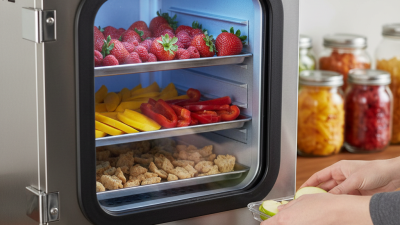
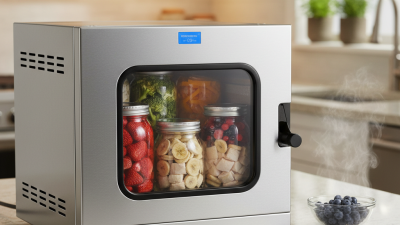
A Home Freeze Dryer is an innovative appliance designed for preserving food. It employs a unique process known as freeze-drying, which removes moisture from food while retaining its nutrients and flavor. This technology has gained popularity among home cooks and preservation enthusiasts. It allows users to store a variety of foods for extended periods without refrigeration.
Operating a Home Freeze Dryer may seem daunting at first. The process involves freezing food items, lowering the pressure, and removing moisture. While the concept is straightforward, mastering it requires some practice and patience. Users often face challenges, like adjusting times and temperatures for different foods. Each item may react differently during freeze-drying, demanding careful observation.
Investing in a Home Freeze Dryer can yield rewarding results. Many experienced users report significant benefits, including savings on grocery bills and reduced food waste. Yet, there are pitfalls too. Not everyone achieves perfect results on their first attempt. Learning from these experiences is key. Exploring the potential of a Home Freeze Dryer can be both exciting and humbling.
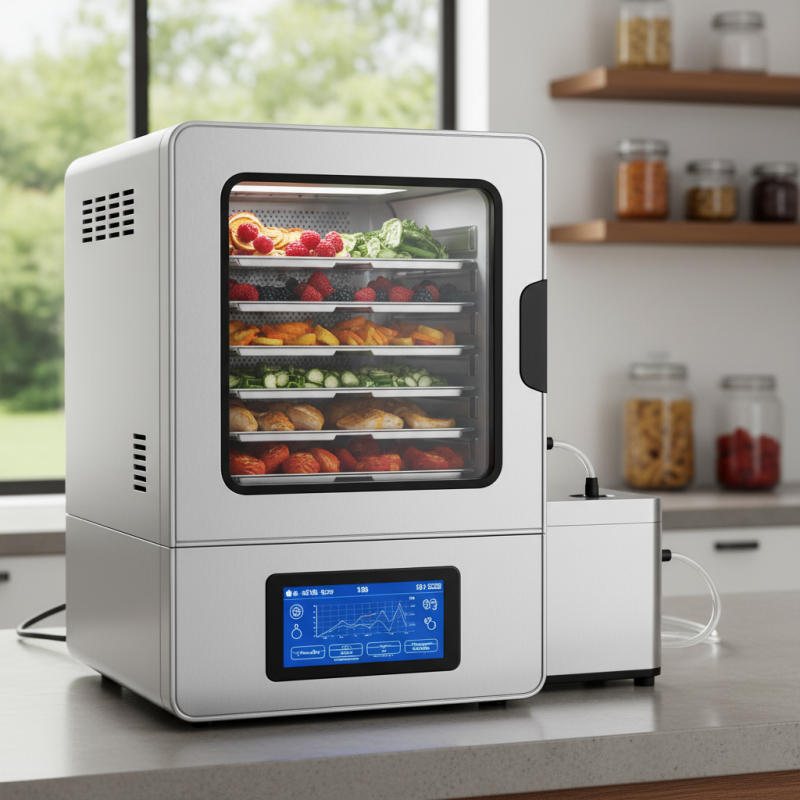
What is a Home Freeze Dryer and Its Primary Functions?
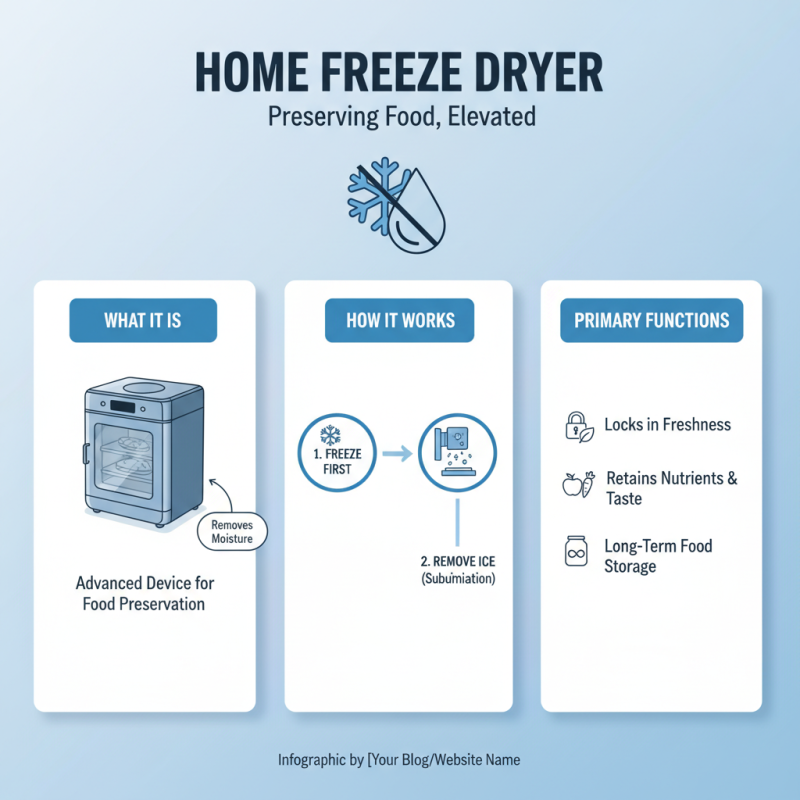
A home freeze dryer is a fascinating device. It plays a vital role in preserving food. By removing moisture, it helps maintain taste and nutrients. Freeze drying is different from regular drying methods. The process starts with freezing the food first. This step locks in freshness.
Next, the pressure drops, allowing ice to transform directly into vapor. This is called sublimation. The entire process retains the color and flavor. Many people use it to store fruits, vegetables, and meats. You can prepare meals in advance. Just rehydrate them later when needed.
The concept sounds simple, but results can vary. Not every food item reacts the same way. Texture and taste can change unexpectedly. Users must experiment with different foods. It’s a learning curve, and that can be frustrating. However, the benefits of long-term food storage are immense. A home freeze dryer can change your approach to meal preparation.
The Science Behind Freeze Drying: How It Preserves Food
Freeze drying is a fascinating process that significantly alters how we preserve food. By removing moisture, it allows food to retain its nutritional value, flavor, and texture. This method involves freezing the food, then placing it in a vacuum chamber. In this environment, ice sublimates directly into vapor without turning into liquid. As a result, the food becomes lightweight and shelf-stable.
The science behind freeze drying is intricate yet straightforward. When food is subjected to extremely low temperatures, cell structures change. These changes help maintain the integrity of vitamins and other nutrients. The vacuum process prevents oxidation, which can lead to spoilage. While this method is effective, it is important to note that not all food types freeze-dry equally. Some items may require adjustments in timing and temperature.
The technique has limitations. For instance, delicate fruits can sometimes lose their original texture. Certain flavors may also diminish during the process. Understanding these nuances can influence food preservation choices. As with many methods, experimenting and refining techniques can lead to better results. Embracing the imperfections in freeze drying helps in mastering this efficient food preservation method.
Key Components of a Home Freeze Dryer and Their Roles
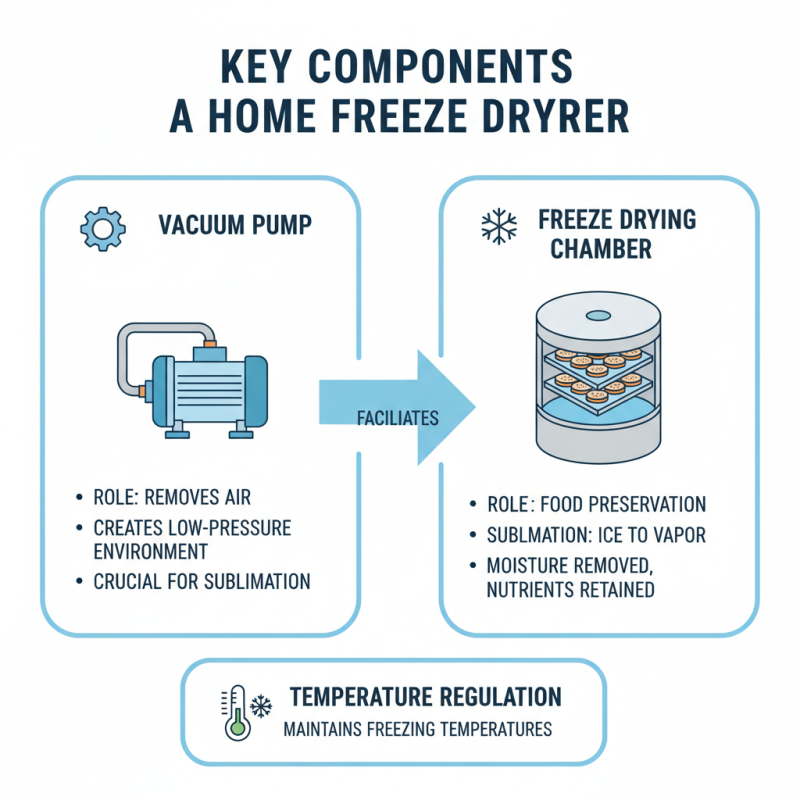
Home freeze dryers are fascinating machines that help preserve food. Understanding their key components is crucial for anyone interested in this process. A vacuum pump is essential; it removes air from the dryer, creating a low-pressure environment. This step is vital for sublimation, which ensures food moisture turns directly from ice to vapor.
A heating element plays a significant role too. It gently warms the food, facilitating the conversion from ice to vapor. The temperature needs careful control to ensure the food retains its flavor and nutrients. The condenser traps moisture vapor, turning it back into ice. This cycle maintains the quality of the food throughout the process.
Tips: Experimenting with different foods can help you understand their freeze-drying needs better. Not all items freeze dry the same way. Some may require longer times or specific temperature settings. Always check your food's condition after the cycle. If you notice any moisture, consider adjusting the settings for next time. Understanding these components will enhance your freeze-drying experience.
Understanding the Freeze Drying Process: Step-by-Step Overview
Freeze drying, or lyophilization, preserves food by removing moisture. The process involves several key steps. First, food is flash-frozen at very low temperatures. This step retains the food's structure and nutrients. According to the Food and Agriculture Organization, freeze-dried foods maintain up to 97% of their original nutrients, a significant advantage for long-term storage.
Next, vacuum pressure is applied. This draws out moisture without compromising the food's quality. As the ice sublimates, the food retains its original size and shape. It's crucial to ensure that the process is done correctly. An error in temperature or pressure may lead to spoilage.
**Tips:** Ensure the food is prepped properly. Cut produce into uniform sizes for even drying. Monitor the drying cycle carefully, as each item has a specific time requirement.
Lastly, the freeze-dried items are sealed in airtight containers. This prevents moisture reabsorption, extending shelf life significantly. When choosing a freeze dryer, consider factors like capacity and energy consumption. However, remember that homemade freeze-drying may not achieve commercial levels of perfection. Realistic expectations can prevent disappointment.
Home Freeze Dryer Efficiency Comparison
Benefits of Using a Home Freeze Dryer for Long-Term Food Storage
Home freeze dryers are gaining popularity for long-term food storage. This method offers significant advantages over traditional methods like canning or dehydration. According to a study by the Food Technology Association, freeze drying retains up to 97% of the nutrients in food. This makes it an excellent choice for healthy meal prep.
Another benefit is the extended shelf life. Freeze-dried foods can last 25 years or more when stored properly. This is a game changer for those looking to stock up on essentials without frequent spoilage. The process involves freezing food and then vacuum-sealing it, removing moisture while maintaining flavor and texture. However, not every food freezes well. Certain items, like dairy, can pose challenges, leading to less desirable results. Understanding what works best helps mitigate this issue.
Cost can also be a consideration. Initial investment in a home freeze dryer can be high. But, over time, it may save money by reducing food waste. Conducting a cost-benefit analysis before buying one can help. Ultimately, while freeze dryers have clear advantages, it’s essential to weigh personal circumstances and needs.