Ultimate Tips for Sourcing Freeze Dried Fruits Effectively
Freeze dried fruits have gained immense popularity in recent years, capturing the attention of health enthusiasts and chefs alike. Industry expert Dr. Sarah Thompson, a leading nutritionist in the freeze-drying sector, states, “The unique texture and flavor of freeze dried fruits make them perfect for both snacking and cooking.” This statement reflects a growing trend as consumers seek nutritious alternatives for their diets.
Sourcing quality freeze dried fruits requires precise knowledge and expertise. Understanding production methods, sourcing regions, and quality control standards is vital. While many suppliers claim to offer the best products, not all adhere to high standards. Without thorough research, you may encounter inconsistent flavors or poor-quality fruits in the market. This highlights the need for reliable sourcing practices.
It’s important to note that not every freeze dried fruit is created equal. Each batch can differ in taste and nutrition, depending on various factors. As you navigate this industry, be prepared to face challenges. These obstacles can often lead to valuable insights, ultimately enhancing your sourcing strategy. Stay informed and vigilant to ensure you're making the best choices for your freeze dried fruit selections.
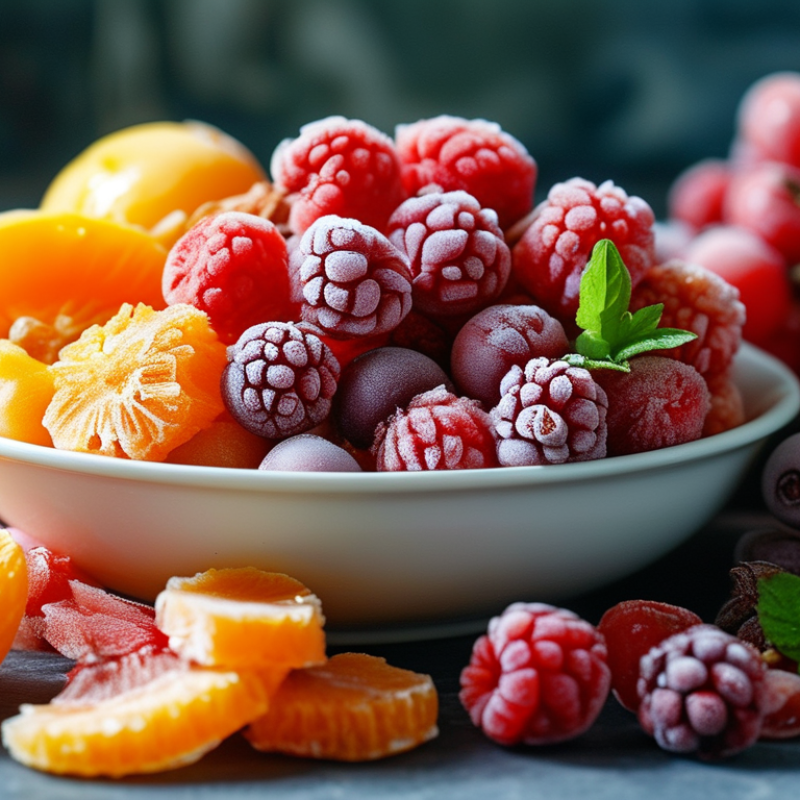
Understanding Freeze-Dried Fruits: Nutritional Benefits and Market Demand
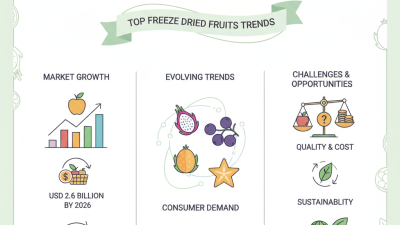
Freeze-dried fruits have surged in popularity due to their unique nutritional profile and convenience. According to a report by Research and Markets, the global freeze-dried fruits market is projected to reach USD 1.9 billion by 2027. This growth is fueled by rising health consciousness among consumers. These fruits retain most of their vitamins and minerals, making them an excellent source of nutrition. In fact, freeze-drying preserves about 90% of the nutrients found in fresh fruit.
Moreover, freeze-dried fruits have a long shelf life, making them ideal for various applications. They are often used in snacks, cereals, and baking. Additionally, the taste remains surprisingly vibrant. A study from the Journal of Food Science indicated that consumers appreciate the intense flavor of these products. However, sourcing high-quality freeze-dried fruits can be a challenge. It’s vital to verify suppliers’ practices and ensure they meet quality standards.
Quality varies among suppliers, and some may not use the optimal methods for freeze-drying. Research indicates that improper processing can degrade nutritional value. Imperfections in texture can also affect overall acceptance by consumers. Therefore, understanding the market demand and maintaining high sourcing standards is essential for success. Keep these aspects in mind when exploring this thriving market.
Identifying Quality Suppliers: Key Factors in Freeze-Dried Fruit Sourcing
When sourcing freeze-dried fruits, identifying quality suppliers is crucial.
Look for suppliers with certifications from recognized organizations. These certifications ensure the fruits meet safety and quality standards.
A recent industry report highlighted that 75% of businesses prioritize certified suppliers.
This trend underscores the need for reliability in sourcing.
Evaluate suppliers based on transparent sourcing practices.
Transparency can provide insights into the supply chain and production methods. Suppliers who share details about their processes are generally more trustworthy.
The USDA reports that transparency reduces the risk of quality issues by up to 30%.
This statistic emphasizes the importance of knowing where your ingredients come from.
Checking reviews and testimonials can also be insightful.
Feedback from other businesses can highlight strengths and weaknesses. However, not all reviews are genuine; discerning valid feedback from biased comments is essential.
It is important to maintain a well-rounded view. Overall, effective sourcing involves balancing quality, transparency, and supplier reputation.
Focusing on these factors will enhance your sourcing strategy.
Evaluating Cost-Effectiveness: Price Trends and Purchasing Strategies
When sourcing freeze-dried fruits, understanding price trends is essential for making cost-effective decisions. Prices can vary based on the type of fruit, source, and market demand. Keep an eye on seasonal variations. For instance, berries may cost less when in-season. Research current market prices regularly to avoid overpaying.
Purchasing strategies matter. Buy in bulk when possible to save more. However, do the math. Bulk prices can sometimes seem cheaper but check the quality. Not all bulk goods are reliable. Seek suppliers with good reviews. Use online platforms to compare prices easily.
Tip: Establish relationships with suppliers. This can lead to better deals over time. Ask about discounts for repeat orders. Remember, it's okay to negotiate. If a price feels too high, express your concerns. Transparency often leads to better sourcing opportunities. You're not just a buyer; you're a partner in business.
Assessing Sustainability: Eco-Friendly Practices in Fruit Sourcing
Sourcing freeze dried fruits has gained popularity. However, the sustainability of sourcing practices remains a pressing concern. Evaluating eco-friendly methods is essential for responsible purchasing. One commonly overlooked aspect is the environmental impact of farming methods. Conventional farming often relies on harmful pesticides and synthetic fertilizers, which can harm ecosystems. Assessing the certifications and farming practices of suppliers can reveal their commitment to sustainability.
Another critical factor is water usage in fruit cultivation. In regions facing water scarcity, intensive farming can strain local resources. Sustainable suppliers often emphasize techniques like rain-fed irrigation or precision agriculture. These methods can reduce overall water consumption. Engaging with suppliers about their water management practices can lead to impactful choices.
In addition, consider the carbon footprint associated with transportation. Locally sourced freeze dried fruits typically have a smaller carbon footprint than imported options. However, not all local farms follow sustainable practices. It’s worth investigating their methods. Transparency in sourcing provides valuable insights. Seeking reliable suppliers is a way to ensure responsible choices in the supply chain. Balancing convenience with sustainability can be challenging, but it is essential for future-proof sourcing.
Regulatory Compliance: Safety Standards for Freeze-Dried Fruit Products
When sourcing freeze-dried fruits, it’s vital to prioritize regulatory compliance. Safety standards guide producers in ensuring their products meet consumer expectations. Compliance with these regulations helps avoid harmful contaminants. Testing for pesticides, heavy metals, and microbial pathogens is essential.
Many producers may overlook specific safety protocols. This can lead to significant risks, damaging both reputation and market access. It’s crucial to partner with suppliers who are transparent about their testing procedures. Certifications from recognized bodies can indicate adherence to safety standards. Regular audits and inspections should be conducted to ensure ongoing compliance.
Understanding local and international regulations can be daunting. Each region may have different requirements for freeze-dried fruit. Engaging with experts in food safety can provide valuable insights. This expertise helps navigate complex regulatory landscapes, ensuring products are safe and compliant. Balancing compliance with sourcing efficiency is key to successful freeze-dried fruit procurement.
Ultimate Tips for Sourcing Freeze Dried Fruits Effectively - Regulatory Compliance: Safety Standards for Freeze-Dried Fruit Products
| Fruit Type |
Shelf Life (Years) |
Nutritional Value per 100g |
Regulatory Compliance Standard |
Safety Testing Frequency (Years) |
| Strawberries |
2 |
50 kcal, 13 g carbs |
FDA, USDA |
1 |
| Bananas |
2 |
346 kcal, 89 g carbs |
FDA, USDA |
1 |
| Apples |
2.5 |
52 kcal, 14 g carbs |
FDA, USDA |
1 |
| Peaches |
2 |
39 kcal, 10 g carbs |
FDA, USDA |
1 |
| Mangoes |
2 |
60 kcal, 15 g carbs |
FDA, USDA |
1 |