
Choosing among the Top 10 HDD Horizontal Drilling Machine Manufacturers means comparing more than product photographs and headline specifications. Horizontal directional drilling projects vary by ground conditions, bore length, pipe size, access, and crew experience. A compact machine may suit a restricted urban site, while a larger rig may be needed for longer crossings or demanding soil. The right choice depends on the work, not just the machine’s maximum pullback rating.
This guide considers practical factors that buyers can verify: available machine models, technical documentation, operator support, parts access, warranty terms, and experience serving comparable projects. Check the details. Ask manufacturers how their equipment performs in the ground conditions you expect, and request clear information about setup, maintenance, and service response. A polished brochure cannot answer every field question. Not every project fits. Local dealer coverage, delivery arrangements, and operator training can also affect a machine’s usefulness after purchase.
The list is intended as a starting point for research, not a universal ranking or an endorsement of every model. Specifications and support can change, so confirm current details directly with each manufacturer. Compare like with like, and have qualified project personnel review technical requirements before making a decision. One point deserves reflection: the lowest purchase price may not represent the lowest operating cost. Yet higher-priced equipment is not automatically the better fit. Careful comparison matters.
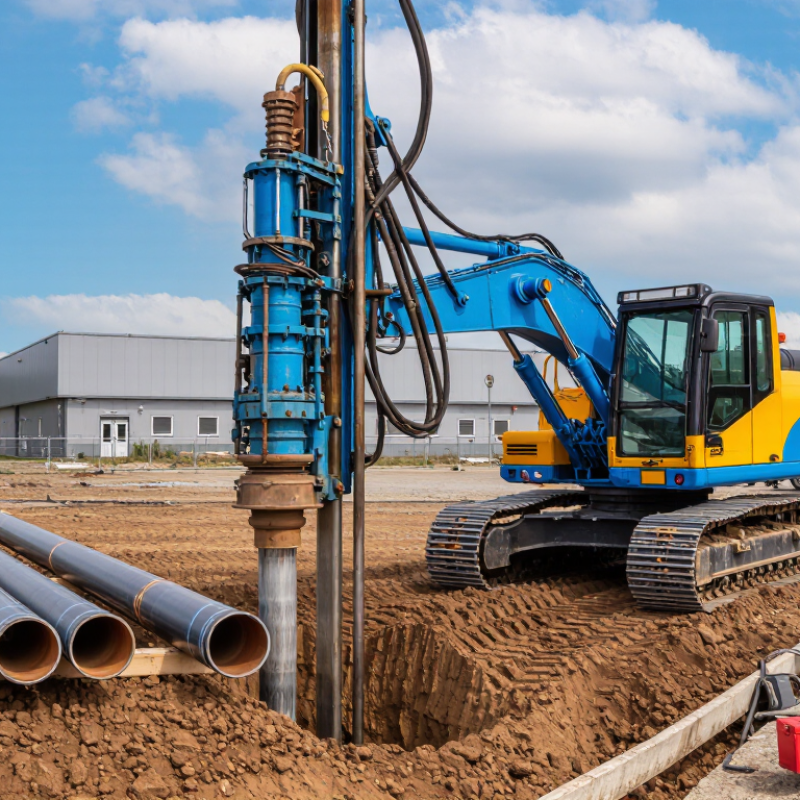
Horizontal directional drilling follows three connected stages, and each one places different demands on an HDD machine. During the pilot bore, the drill head advances along a planned underground path. A locating system helps the crew monitor depth, pitch, and direction. Small errors matter. Near a driveway or utility crossing, a few inches of drift can change the whole route.
Once the pilot reaches its exit point, the crew attaches a reamer and enlarges the bore. Reaming may take several passes, depending on soil conditions and the pipe diameter. Drilling fluid helps carry cuttings back through the hole and supports the bore walls. The ground is rarely uniform. A section of gravel can behave very differently from soft clay, so crews adjust the plan as conditions become clearer.
During pullback, the product pipe connects to the reamer and is drawn through the enlarged bore. The crew monitors pull force, rotation, and fluid returns to reduce stress on the pipe. When comparing horizontal drilling machines, consider their thrust, pullback capacity, and suitability for the expected ground. A machine rating alone cannot predict the result. Even a carefully tracked bore may reveal uncertainty in the final alignment, and that deserves an honest review.
Example reaming-pass counts for a multi-pass HDD job. Actual requirements vary with ground conditions, bore length, and final pipe diameter.
The pilot bore establishes the planned path. Reaming enlarges the bore and may require multiple passes; pullback installs the product pipe through the prepared bore.
HDD rig pullback ratings range from about 10,000 to 1,000,000 lbf across published equipment specifications. These figures describe maximum rated force, not a guaranteed load during every bore. Small rigs near 10,000–50,000 lbf often suit short utility crossings and compact sites. Mid-range units around 100,000–300,000 lbf can handle longer installations, depending on soil and pipe design. Large rigs approaching 1,000,000 lbf target demanding, long-distance work. Useful, but imperfect. These bands are practical comparisons, not a universal industry classification.
ASTM F1962-22 and the Drilling Contractors Association’s HDD Good Practices Guidelines inform bore planning and installation-force considerations. Their guidance reinforces why pullback rating alone cannot select a rig. Engineers must also check torque, drill-pipe limits, fluid circulation, bore length, and ground conditions. A muddy entry pit or a tight urban work zone can constrain equipment choice as much as the force rating. A rig’s headline number may look reassuring, yet actual allowable pull can be lower. That detail is easy to overlook. Compare the planned pull with pipe limits and site data before choosing a class.
Top 10 HDD Horizontal Drilling Machine Manufacturers
When comparing HDD manufacturers, examine pullback force, rotary torque, and mud-flow capacity together. Pullback force affects how much load a rig can handle during product installation and retraction. Rotary torque helps turn the drill string through changing ground conditions. Mud flow carries cuttings away and helps cool the drilling assembly. Numbers need context. Check whether published ratings apply to continuous work or short-duration peaks.
A high pullback rating alone does not guarantee a suitable machine. Compare torque at the operating speed you expect to use, then check the pump’s flow and pressure against the planned bore size and ground. Ask manufacturers for test conditions, duty-cycle limits, and service requirements. A specification sheet may leave gaps. That is worth questioning. Oversizing can add cost and transport demands, while undersizing may slow work or strain components.
Tips: Match all three ratings to the same job profile. Request performance data under stated conditions, and verify local service support. Keep a little margin for changing ground, but do not buy capacity you cannot use.
| Comparison Entry | Representative Pullback Force | Representative Rotary Torque | Representative Mud-Flow Capacity | Typical Application Scale |
|---|---|---|---|---|
| Anonymous Profile 1 | 45–90 kN (10,000–20,000 lbf) | 1.4–4.1 kN·m (1,000–3,000 ft·lbf) | 76–190 L/min (20–50 US gpm) | Short service connections and small-diameter installations |
| Anonymous Profile 2 | 90–180 kN (20,000–40,000 lbf) | 4.1–8.1 kN·m (3,000–6,000 ft·lbf) | 114–227 L/min (30–60 US gpm) | Residential utilities and light commercial work |
| Anonymous Profile 3 | 180–320 kN (40,000–72,000 lbf) | 8.1–12.2 kN·m (6,000–9,000 ft·lbf) | 190–320 L/min (50–85 US gpm) | Urban utility work and medium-length crossings |
| Anonymous Profile 4 | 320–450 kN (72,000–101,000 lbf) | 12.2–19.0 kN·m (9,000–14,000 ft·lbf) | 227–454 L/min (60–120 US gpm) | Medium to large utility installations |
| Anonymous Profile 5 | 450–600 kN (101,000–135,000 lbf) | 19.0–27.1 kN·m (14,000–20,000 ft·lbf) | 300–570 L/min (80–150 US gpm) | Longer crossings and larger product-pipe pulls |
| Anonymous Profile 6 | 600–800 kN (135,000–180,000 lbf) | 27.1–40.7 kN·m (20,000–30,000 ft·lbf) | 380–760 L/min (100–200 US gpm) | Large-diameter pipelines and demanding ground conditions |
| Anonymous Profile 7 | 800–1,000 kN (180,000–225,000 lbf) | 40.7–55.0 kN·m (30,000–40,600 ft·lbf) | 570–950 L/min (150–250 US gpm) | Heavy-duty pipeline and infrastructure crossings |
| Anonymous Profile 8 | 1,000–1,400 kN (225,000–315,000 lbf) | 55–75 kN·m (40,600–55,300 ft·lbf) | 760–1,140 L/min (200–301 US gpm) | Very large product pipes and extended crossings |
| Anonymous Profile 9 | 1,400–2,000 kN (315,000–450,000 lbf) | 75–110 kN·m (55,300–81,100 ft·lbf) | 950–1,510 L/min (251–399 US gpm) | Major transmission pipelines and large infrastructure projects |
| Anonymous Profile 10 | 2,000–3,500 kN (450,000–787,000 lbf) | 110–200 kN·m (81,100–147,500 ft·lbf) | 1,500–2,500 L/min (396–660 US gpm) | Specialized mega-rig projects and very large-diameter crossings |
Data note: Company and brand names are intentionally omitted. These anonymized entries are representative HDD capability bands, not a verified ranking or model-by-model specification list for ten named manufacturers. Actual machine ratings vary by model and configuration; confirm pullback force, rotary torque, and mud-pump capacity against the manufacturer’s published technical data before selection.
Grand View Research estimated the global horizontal directional drilling market at USD 8.56 billion in 2023, with a projected 6.2% compound annual growth rate from 2024 to 2030. That growth makes equipment comparisons useful, but market size alone cannot show which rig suits a specific job. A practical profile of ten manufacturers should compare mini, midi, and maxi machines by pullback force, torque, fluid capacity, footprint, and support access.
Mini rigs fit short service connections and tight sites, where a narrow work zone matters. Midi rigs offer more capacity for longer crossings and mixed ground. Maxi rigs handle larger installations and demanding pullback loads, but require more staging space and fluid management.
These class labels are not universal; compare published specifications directly. NASTT’s HDD Good Practices Guidelines also stress planning, site conditions, and drilling-fluid control.
One limitation in many comparisons is that brochure figures rarely describe performance in actual ground.
Tips: Match the rig to bore length, pipe diameter, and soil data—not class name alone. Check the entry pit, exit area, and fluid recycling setup before mobilization. Small details matter.
Choosing an HDD rig starts with the bore, not the machine’s headline capacity. Record the planned bore length, product-pipe outside diameter, installation depth, and entry angle. Include bends and the clearance required for each reaming pass. A 250-foot crossing in uniform soil can demand less than a shorter route through cobbles or changing ground. Soil reports help, but field conditions can still surprise you.
Match the rig’s thrust and pullback to the expected installation loads, and check that its torque suits the reamer and ground conditions. Confirm that the drill rods and tooling can accommodate the planned bore and pipe diameter. A larger pipe may call for a larger final reamer, which raises torque and fluid demands. Do not size the machine from pipe diameter alone. Review the complete sequence, from pilot bore to pullback.
Compare working capacity with the machine’s rated maximum; maximum figures are not always practical targets for a long, difficult crossing. Leave room for changing ground and setup constraints, while avoiding a rig so large that access becomes awkward. Check the worksite width, overhead clearance, and space for pipe handling. On paper, the match may look right. Recheck it against the actual route and tooling list.