Top 10 Freeze Dried Foods for Global Buyers to Consider?
The demand for freeze dried food is rapidly increasing among global buyers. According to market research, the freeze dried food market is projected to reach $2.4 billion by 2027, growing at a CAGR of 7.4%. This indicates a significant shift in how consumers approach food preservation and storage.
Freeze dried food offers an excellent balance of convenience and nutrition. It retains 90% of its original nutrients, making it a favorite for outdoor enthusiasts and emergency preparedness. However, not all freeze dried products are created equal. Some brands lack quality control, raising concerns about shelf life and taste.
As buyers explore options, they often face challenges in finding reliable products. Understanding the various offerings can be daunting. Therefore, assessing top-rated freeze dried food can help buyers make informed decisions. Recognizing the reliability and nutrient retention of these foods is crucial for longevity and health.
Top 10 Freeze Dried Foods: An Overview of Global Market Trends
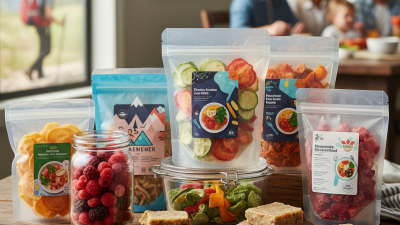
Freeze dried foods have gained popularity for their convenience and long shelf life. This trend is not limited to outdoor enthusiasts; global consumers increasingly consider them for daily use. These foods maintain taste, nutrients, and texture after rehydration. They appeal to busy families and health-conscious individuals alike.
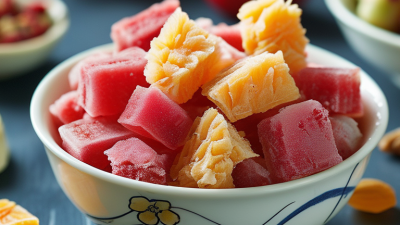
Market trends show a growing demand for a variety of freeze dried products. Fruits, vegetables, and meals have become staples in many households. Countries with harsh climates also show a preference for these foods due to their durability. The rise in global shipping options allows consumers from different regions to access diverse freeze dried offerings.
However, challenges remain. Some products may lack the freshness of non-dehydrated options. Additionally, consumers often find the cost higher compared to regular preserved foods. Education on proper usage and storage is frequently needed. Buyers may also struggle with limited availability, impacting their choices. Addressing these concerns is essential for expanding the market further.
Nutritional Benefits of Freeze Dried Foods for Long-Term Storage
Freeze dried foods have gained attention for their nutritional benefits, particularly for those seeking long-term storage solutions. The process retains most of the essential vitamins and minerals found in fresh ingredients. This means that a serving of freeze dried vegetables can offer similar nutritional values to their fresh counterparts. Additionally, they have a long shelf life, often exceeding 25 years, making them ideal for emergency supplies.
One notable aspect of freeze dried foods is their lightweight nature. This characteristic is advantageous for outdoor enthusiasts or anyone wanting to save space. They are easy to transport and require minimal preparation. Just add water, and they are ready to eat. However, it’s important to consider the potential texture changes once rehydrated. Some may find the consistency different from fresh foods.
Incorporating freeze dried foods into diets raises questions about variety and quality. They often lack the robust flavors of fresh ingredients. Finding a balance between convenience and taste is essential. While they can be a staple for many, it's wise to include a mix of food types for a well-rounded diet.
Comparative Analysis: Freeze Dried vs. Dehydrated Foods in Shelf Life
When examining freeze-dried foods versus dehydrated foods, it's crucial to consider shelf life. Freeze-dried foods often have a shelf life of 25 to 30 years. A 2021 study by the Institute of Food Technologists indicates this technique preserves nutrients better than dehydration. This is largely due to the low temperatures used, which retain flavor, color, and texture. In contrast, dehydrated foods typically last about 1 to 3 years, depending on storage conditions.
Freeze-drying removes moisture efficiently, but it can be more expensive than the dehydration process. Interestingly, a report from the USDA shows nutrient retention in freeze-dried foods can be over 90%. Many consumers do not realize that while they may pay more for freeze-dried options, the nutritional benefits and longevity may outweigh the initial cost.
Consider this when purchasing your supplies. Selecting foods with longer shelf lives ensures less waste. Store foods in a cool, dark place to maintain their quality. Also, regularly check for signs of spoilage. A little reflection on your food preparation can lead to longer-lasting supplies and healthier options.
Market Insights: Consumer Preferences for Freeze Dried Products
The consumer demand for freeze-dried foods has significantly increased in recent years. This trend reflects a shift toward convenience and longer shelf life. Many buyers are drawn to these products due to their nutritional value and versatility. Freeze-dried meals retain most of their nutrients, making them an attractive option for health-conscious consumers. Their lightweight and compact nature makes them ideal for outdoor activities or emergency preparedness.
Market insights reveal that flavor variety plays a crucial role in consumer decisions. Buyers prefer options that combine classic flavors with innovative twists. Traditional fruits, vegetables, and meals are popular, but unique flavors are gaining traction. It is essential for sellers to understand this range. Failing to offer diverse selections may lead to disappointing sales.
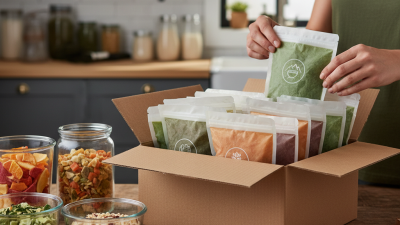
Additionally, packaging matters. Consumers appreciate eco-friendly and informative packaging. Sealed containers that ensure freshness are preferred. On the other hand, confusing labels can deter buyers. Safety and trust are critical. Without clear information, some consumers may hesitate. This highlights a need for continual improvement and reflection in product presentation. Observing changes in consumer preferences can help guide future offerings in this growing market.
Key Players in the Freeze Dried Food Industry and Their Innovations
The freeze-dried food industry is witnessing remarkable innovation. According to a recent market analysis, this sector is projected to grow by over 7% annually, driven by increased demand for convenient and long-lasting food options. Key players are focusing on enhancing the nutritional value and flavor of freeze-dried products, catering to health-conscious consumers worldwide. Additionally, advancements in technology have improved the shelf life of these foods, making them ideal for outdoor enthusiasts and emergency preparedness.
Investing in freeze-dried foods can be a smart move. Consider how these products retain most of their original nutrients, offering a viable alternative to traditional preservation methods, which often involve additives. When choosing freeze-dried foods, look for those that prioritize sustainable sourcing. Quality varies significantly, and some brands may use lower-grade ingredients as fillers.
Taste and texture can be affected by the freeze-drying process. Some products may be overly crunchy or lacking in flavor. It's essential for consumers to sample different brands to find those that meet their preferences. While the variety is vast, choosing items with clean ingredient lists will likely yield the best health benefits and satisfaction.