Top Mini Freeze Dryer Options for Your Business Needs?
In today's competitive market, the demand for efficient preservation methods is rising rapidly. A mini freeze dryer is becoming essential for businesses looking to maintain product quality. Reports indicate that the global freeze-drying equipment market is projected to grow at a CAGR of over 8% from 2022 to 2027. This growth highlights the increasing interest in freeze-drying technology.
Choosing the right mini freeze dryer can impact your operations significantly. Factors such as capacity, energy efficiency, and user-friendliness should be considered. Industry experts emphasize the importance of reliable equipment to ensure optimal results. Mini freeze dryers provide a compact solution for small to medium-sized businesses, yet many still underestimate the investment needed for a quality machine.
Understanding the market and technical specifications is vital. Not all mini freeze dryers are created equal. Some options fall short on performance, leading to subpar product preservation. It's essential to research thoroughly before making a decision. A well-informed choice can enhance your business's productivity and product appeal.
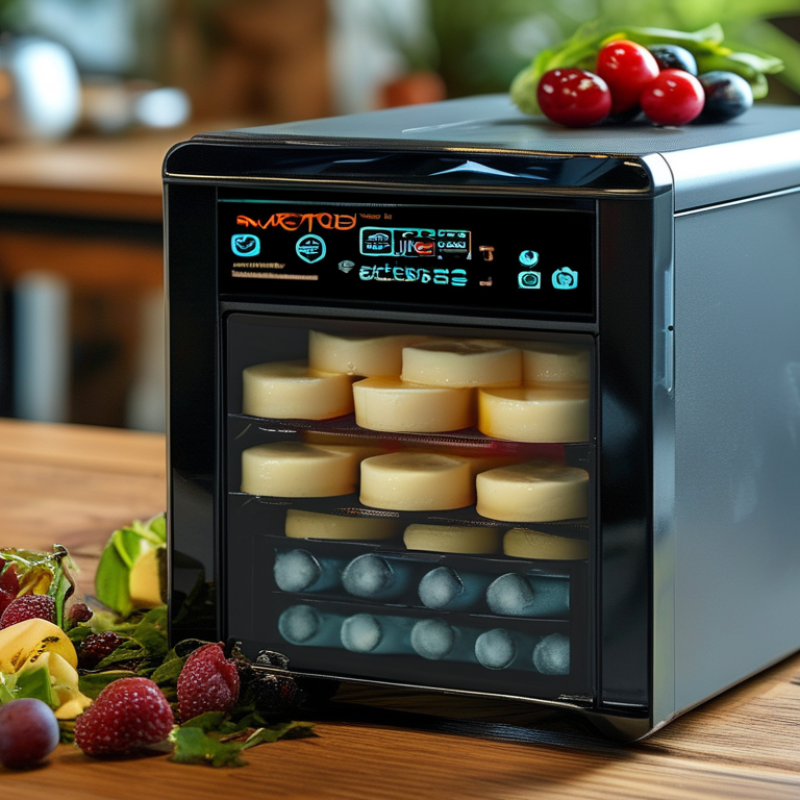
Understanding Mini Freeze Dryers: Principles and Benefits for Businesses
Mini freeze dryers operate on the principle of sublimation, wherein ice transitions directly to vapor without returning to liquid. This process preserves food's structure and nutrients effectively. One report indicates that freeze-dried products retain up to 97% of their original nutrients, surpassing other drying methods. For businesses, this means offering high-quality products that appeal to health-conscious consumers.
Investing in mini freeze dryers can significantly enhance a company’s product range. For instance, they can create lightweight, shelf-stable goods with a long shelf life. Data from industry studies indicate that the demand for freeze-dried foods has surged, forecasting a growth rate of over 7% annually. However, many businesses face challenges such as equipment costs and technical expertise. It's crucial for potential users to evaluate their production volume and specific needs before committing to equipment.
While mini freeze dryers present many benefits, they also require careful consideration. Not every product is suitable for freeze-drying. Some may not retain the desired texture or flavor post-processing. Businesses must conduct trials to determine compatibility. Additionally, training staff to operate this technology can be resource-intensive, demanding an upfront investment in time and training. An informed approach can lead to better outcomes in product quality and customer satisfaction.
Key Factors to Consider When Choosing a Mini Freeze Dryer for Business
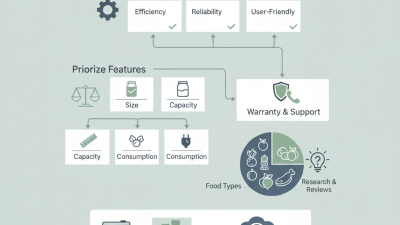
When choosing a mini freeze dryer for your business, several key factors come into play. The capacity is one of the most important aspects. Depending on your production needs, consider the quantity of product you plan to freeze-dry. Smaller models can handle limited volumes, while larger units accommodate higher capacities. Think about your space limitations too. A bulky machine may hinder your workflow.
Power usage is another critical factor. Ensure that the energy requirements align with your business capabilities. Energy-efficient models can save money in the long run. Assess the speed of the freeze-drying process as well. Different units offer varying drying times. Faster machines may increase productivity but might come with a higher price tag.
Look at the user interface. A simple, intuitive design can save time and reduce training needs. Some units have advanced features like automated cycles, which can enhance usability. This is especially important if multiple staff members will operate the machine.
Consider warranties and customer support. A reliable warranty can provide peace of mind. Research reviews and feedback to gauge the experiences of other users. This insight can help in making an informed decision. Balancing cost, efficiency, and reliability is essential.
Top Brands and Models of Mini Freeze Dryers in the Market
The mini freeze dryer market is growing rapidly, driven by increased demand for preservation methods in various sectors. According to industry reports, the global freeze dryer market is expected to reach $2.3 billion by 2025. This growth is fueled by innovations in technology and the rising popularity of freeze-dried food in both retail and commercial avenues.
When evaluating mini freeze dryers, consider the scale of your operations. Some models suit small enterprises, while others cater to larger batches. Look for features like energy efficiency and drying capacity. Importantly, assess the ease of use and maintenance for ongoing operational efficiency. Research indicates that user-friendly designs can reduce downtime and enhance productivity.
For optimal results, monitor the moisture levels in your products during drying. Overloading the machine can lead to incomplete drying, compromising quality. Regularly calibrate your equipment to ensure accurate temperature settings; this prevents the costly mistake of losing a batch. Ample storage space is also vital for successful freeze-drying. A well-planned layout can save time and improve workflow.
Cost Analysis: Investment vs. Return for Mini Freeze Dryers in Operations
A mini freeze dryer can significantly enhance food preservation for businesses. The initial investment may seem high, usually ranging from $3,000 to $10,000. However, industry reports suggest that businesses can see a return on investment within two to three years. For example, dried fruits, vegetables, and meats often sell at a markup of 300%. This higher profit margin can offset the high equipment costs.
Operational efficiency is another critical factor to consider. A mini freeze dryer can operate with lower energy costs compared to larger units. According to the USDA, small-scale freeze-drying typically uses 20-30% less energy. However, users should keep in mind that maintenance costs can accumulate over time. Regular servicing and repairs may be necessary. Those costs can diminish overall profitability if not planned for accordingly.
Additionally, market trends indicate a growing consumer preference for freeze-dried products. Consumers value shelf stability and nutrient retention, which mini freeze dryers provide. However, businesses must stay informed about evolving trends. Understanding market demand is as vital as knowing the costs associated with the equipment. Investing in a mini freeze dryer without proper market research can lead to financial setbacks. It's essential to weigh these factors carefully before making such an investment.
Case Studies: Success Stories with Mini Freeze Dryers in Various Industries
Mini freeze dryers have gained traction in various industries, showcasing their versatility and effectiveness. In the food sector, a small organic farm successfully used a mini freeze dryer to produce healthy snacks. They were able to extend their product line while reducing waste. By freeze-drying surplus fruits and vegetables, they not only preserved quality but also enhanced flavor.
In the pharmaceutical industry, another case study detailed a small lab that implemented a mini freeze dryer to prepare sensitive compounds. This resulted in improved stability and shelf-life of their products. However, they faced challenges in scaling up production. Their experience highlighted the need for a careful evaluation of equipment capabilities before investing in a mini freeze dryer.
When considering a mini freeze dryer, focus on your specific needs. Look for models that offer efficient energy consumption. Evaluate the size carefully to match your production capacity. Pay attention to user feedback, as it often reveals insights into long-term reliability. Engaging with other users can provide practical tips and tricks that aren’t always covered in manuals. These experiences help in avoiding common pitfalls and ensuring a smoother integration into your business.