
Choosing Collagen Powder for your business can create a practical bridge between wellness demand and convenient daily nutrition. Customers often want simple products that fit busy routines. A scoop can dissolve into coffee, smoothies, or a shaker bottle within seconds. This small detail matters on rushed mornings.
Dr. Robert R. Wolfe, a respected protein metabolism researcher, has noted, “Collagen is not a complete protein.” That reminder supports responsible product positioning. Collagen Powder should not be marketed as a replacement for every dietary protein source. Instead, businesses can present it as a targeted ingredient for customers interested in connective tissue support, skin health, or product variety. Claims must remain evidence-based. Results also differ between individuals.
Trust begins behind the label. Reliable suppliers should provide certificates of analysis, batch traceability, allergen information, and clear origin details. Businesses should review testing for heavy metals, microbial contamination, and undeclared ingredients. Packaging should explain serving size, collagen type, flavoring, and storage conditions. These details feel ordinary, but they protect customer confidence.
The commercial opportunity is real. It is not automatic.
A strong formula needs more than attractive packaging. Consider solubility, taste, odor, sourcing standards, and the needs of your target market. Some buyers prefer bovine collagen, while others avoid animal-derived ingredients for personal reasons. Regulatory requirements also vary across countries, so marketing language requires careful review.
There may be an imperfect lesson here. A fast launch can look efficient, yet weak documentation may create expensive problems later. Businesses that combine transparent sourcing, realistic communication, and consistent quality can build longer-lasting value with Collagen Powder.
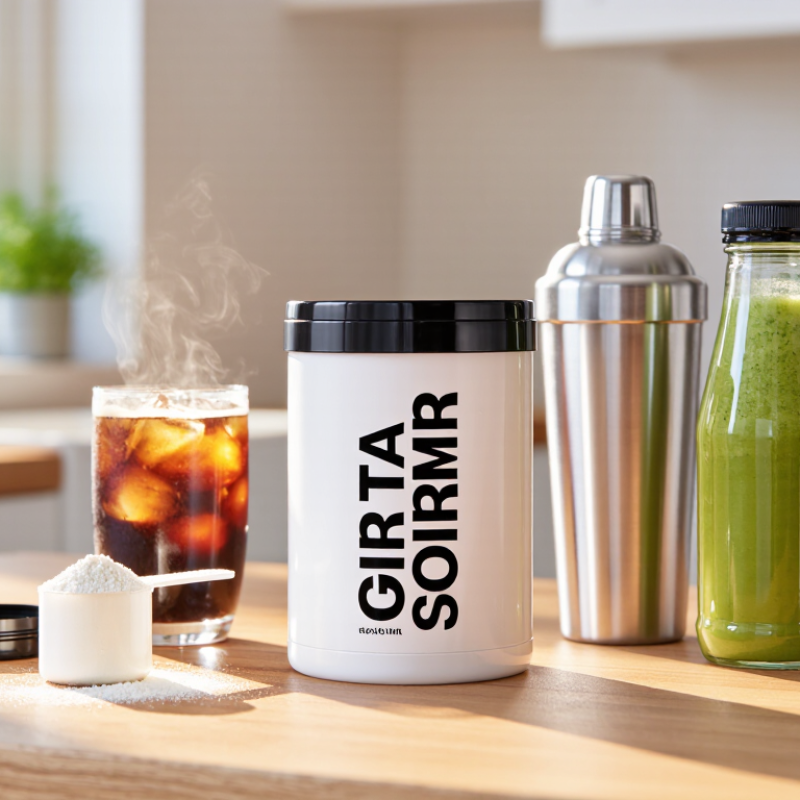
Collagen powder is a dried protein ingredient made from processed animal connective tissue. It is usually sold as collagen peptides, which dissolve more easily in water. Manufacturers commonly begin with bovine hides, fish scales, or fish skin. These materials are cleaned, treated, and converted into gelatin. Controlled hydrolysis then breaks the gelatin into smaller peptide chains. After filtration, concentration, and drying, the liquid becomes a fine powder. The powder may look simple, but its production requires careful control.
In practical product development, raw material traceability matters. A reliable supplier should document the source species, processing location, and batch history. Quality checks often include moisture, protein content, microbial safety, heavy metals, and unwanted residues. Clear testing records support responsible business decisions. They also help companies respond when customers ask difficult questions.
Collagen powder is not automatically high quality. A low price can hide weak testing or inconsistent sourcing. No process is perfect. Heat, storage humidity, and packaging can affect texture and solubility. I would review independent test results instead of trusting appearance alone. Businesses should also avoid exaggerated beauty or health claims, because collagen performance depends on formulation, serving size, and consumer expectations. A thoughtful buyer examines both the science and the supply chain before developing a product.
Collagen powder is a concentrated, dry protein ingredient commonly produced from bovine, porcine, marine, or poultry connective tissues. During production, collagen is extracted, purified, dried, and often hydrolyzed into smaller collagen peptides for easier dispersion and formulation.
The chart shows representative amino-acid proportions commonly reported for collagen proteins. Glycine, proline, and hydroxyproline are characteristic components of collagen, although exact values vary by animal source and processing method. A powdered format can support consistent weighing, storage, transportation, and integration into beverages, nutrition products, and functional foods.
Collagen powder offers flexible formulation options for beverages, bars, capsules, and nutrition blends. Grand View Research valued the global collagen market at about USD 9.1 billion in 2022. Its report also projects strong growth through 2030. These figures show commercial interest, but demand alone does not prove product quality. Buyers still need transparent sourcing, testing, and realistic claims.
Which types of collagen powder are available? Type I is common in bovine, porcine, and marine collagen. It is often selected for skin and general protein formulations. Type III frequently appears alongside Type I in animal-derived powders. Type II is associated with cartilage and joint-focused products. Hydrolyzed collagen peptides dissolve more easily and suit instant drinks. Marine collagen may appeal to businesses avoiding land-animal sources, although it can cost more. Source and type are not interchangeable. This is where many labels become confusing.
Tips: Ask suppliers for species, tissue source, peptide size, allergen controls, and heavy-metal testing. Check whether “collagen” means intact protein or hydrolyzed peptides. The Global Organization for EPA and DHA notes that testing standards vary across nutrition ingredients, so documentation matters. A small pilot batch can reveal sediment, taste, and solubility problems before launch. I have seen formulas look excellent on paper, yet fail in a cold shaker. That uncomfortable lesson deserves attention.
Collagen powder can offer practical business benefits beyond a fashionable product label. Grand View Research valued the global collagen market at about USD 9.1 billion in 2022. It also projects an 8.5% compound annual growth rate from 2023 to 2030. These figures suggest strong commercial interest, especially in convenient nutrition formats.
Powder supports flexible product development. It can fit sachets, drink mixes, protein blends, and food-service recipes. Its dry format may simplify storage and reduce shipping weight. Portion control also helps businesses create clear serving guidance. Fortune Business Insights forecasts continued growth in the global collagen market through 2030. However, market reports use different definitions and data sources. Forecasts are not guarantees. That uncertainty deserves attention.
Businesses should connect collagen with transparent quality systems. Suppliers should provide identity testing, contaminant screening, traceability, and batch documentation. Clear labeling can strengthen buyer confidence. Avoid unsupported promises about skin, joints, or medical outcomes. Evidence varies by collagen type, dose, and study design. The weak point is often consistency: a promising formula can fail when taste, solubility, or sourcing changes.
Tips: Start with small pilot batches. Test mixing in cold water and coffee. Record clumping, flavor, and sediment after ten minutes. Compare supplier certificates with independent laboratory results. Review local labeling rules before launch. A simple customer survey may reveal problems that laboratory testing misses.
Businesses evaluating collagen powder should examine evidence, not just attractive specifications. Request a current certificate of analysis for every batch. It should identify collagen type, protein content, moisture, and test methods. Check whether an independent laboratory verified the results. Testing should cover heavy metals, microbial contamination, allergens, and prohibited substances. A clean appearance proves very little.
Traceability matters from raw material to finished powder. Ask for the source species, processing location, lot number, and storage conditions. Responsible suppliers can explain how samples are collected and sealed. They should also provide manufacturing records aligned with recognized quality systems. Clear labeling supports safer formulation and more reliable customer information. The powder should dissolve consistently, without an unusual odor or excessive sediment.
Paperwork can look perfect. Sampling may still be weak. A careful buyer should compare several batch reports instead of trusting one document. Small pilot trials can reveal clumping, flavor changes, or poor performance in real products. Confirm shelf-life data under expected humidity and temperature. Supplier audits are useful, although they cannot replace independent testing. A practical review should include technical staff, quality professionals, and regulatory advisors. Their questions may expose gaps that purchasing teams miss. Mistakes happen when speed becomes the main measure of value.
Choosing collagen powder requires more than comparing price per kilogram. Businesses should verify the collagen source, processing method, particle size, and intended application. A supplier should provide a current certificate of analysis, allergen information, microbiological results, and heavy metal testing. Documentation must match the actual batch, not an outdated sample.
In product trials, solubility is often the practical challenge. A powder may dissolve smoothly in cold water but form lumps in a protein bar mixture. Test it in the real formula, at the real temperature, and after expected storage time. Small tests matter. Measure taste, odor, texture, moisture, and mixing speed. Human feedback is useful, but it should support laboratory checks rather than replace them.
Businesses should select a use level based on product goals, local regulations, and professional formulation advice. Clear instructions can state serving size, preparation method, storage conditions, and relevant allergen information. Avoid promising to prevent, treat, or cure health conditions. Claims need evidence and may require local review. It is also wise to check whether the powder fits the target customer, especially when dietary preferences or animal-source concerns matter. Some assumptions fail here. A clean label does not guarantee good performance, and a low-cost powder can create expensive reformulation work. Keep batch records, retain samples, and review supplier performance regularly.
A practical comparison framework for product development, sourcing, quality control, and commercial use
| Business Decision Area | Common Commercial Options | Typical Data or Range | Why It Matters | Recommended Business Action |
|---|---|---|---|---|
| Ingredient format | Hydrolyzed collagen peptides; gelatin | Collagen peptides are generally designed to dissolve more easily in beverages and dry mixes than conventional gelatin. | Format affects product texture, preparation method, consumer convenience, and application flexibility. | Choose hydrolyzed peptides for ready-to-mix powders, beverages, bars, and sachets. Consider gelatin when gel formation is a required product function. |
| Collagen source | Bovine, porcine, marine, or poultry-derived collagen | Source determines amino-acid profile, allergen considerations, religious or dietary suitability, and required traceability. | Different customer segments may require halal, kosher, pescatarian, or specific animal-origin specifications. | Define the target market first, then request origin documentation, species information, processing details, and applicable certificates. |
| Collagen type | Primarily Type I; Type III may also be present; Type II is commonly associated with cartilage-focused products | Type I is widely used in skin, beauty, protein, and general wellness formulations. | Collagen type helps align the ingredient with the intended product positioning, although it should not replace substantiated product claims. | Match the stated collagen type to the supplier specification and avoid making disease-treatment or unsupported structure/function claims. |
| Protein content | High-protein collagen peptide powder | Commercial collagen peptide powders commonly provide approximately 90% or more protein on a dry basis, depending on the specification and test method. | Protein content affects nutrition-panel calculations, serving-size communication, and formulation economics. | Verify protein by a recognized laboratory method and use the tested result—not a generic assumption—when preparing the nutrition declaration. |
| Molecular weight | Low- to medium-molecular-weight hydrolyzed peptides | Many commercial specifications report an average molecular-weight range in the low kilodalton range, but the exact range varies by hydrolysis process. | Molecular-weight distribution can influence solubility, mouthfeel, and the supplier’s technical positioning. | Request the complete molecular-weight distribution, test method, and lot-specific certificate instead of comparing suppliers only by a single headline number. |
| Typical serving size | Powder for beverages, capsules, sachets, and nutrition mixes | Common product serving sizes are approximately 2.5–10 g of collagen peptides per serving. | Serving size influences cost per serving, packaging volume, flavor intensity, and the amount of active ingredient consumers receive. | Select a serving size based on the intended product format, total formulation, target audience, and substantiated product concept. |
| Solubility requirement | Instantized or standard powder | Instantized powders are generally engineered for faster dispersion and reduced clumping in cold or room-temperature liquids. | Good dispersion improves user experience and reduces complaints, sedimentation, and filling-line handling problems. | Test dissolution in the actual application at the intended temperature, mixing time, liquid volume, and pH. |
| Flavor and odor | Unflavored, lightly flavored, or fully flavored powder | Collagen can have a mild characteristic odor or taste that becomes more noticeable in low-flavor formulations. | Sensory performance affects repeat purchase, especially in water-based products and products with minimal sweetener or flavoring. | Conduct blind sensory testing with the final formula, not only with the raw material in isolation. |
| pH and processing compatibility | Acidic beverages, neutral beverages, dry blends, bars, and gummies | Hydrolyzed collagen peptides are commonly used across a broad range of food and supplement applications, but stability must be confirmed in each formula. | Acidity, heat, minerals, enzymes, moisture, and processing time can affect appearance, texture, and shelf life. | Run accelerated and real-time stability testing using the final packaging and finished product process. |
| Quality and safety testing | Identity, protein, moisture, microbiology, heavy metals, and contaminants | Testing requirements vary by jurisdiction and application; specifications commonly include microbiological limits, moisture, ash, heavy metals, and identity confirmation. | Consistent testing supports consumer safety, regulatory compliance, batch release, and supplier qualification. | Require a current certificate of analysis for every lot and establish acceptance criteria before purchasing. |
| Traceability | Lot-controlled raw material and finished product records | A robust traceability system should connect the finished product to the raw-material lot, production date, testing records, and shipment information. | Traceability makes recalls, complaint investigations, and inventory management faster and more reliable. | Use documented lot coding, retained samples, supplier audits, and written change-control procedures. |
| Packaging and moisture control | Foil laminate sachets, moisture-barrier pouches, jars, and bulk bags | Powder products generally require packaging that limits moisture ingress and protects against contamination during storage and distribution. | Moisture can cause caking, poor dispersion, weight variation, and quality deterioration. | Choose packaging based on water-vapor transmission, filling conditions, storage climate, and expected shelf life. |
| Storage conditions | Ambient dry storage | A common handling approach is storage in a cool, dry place away from direct sunlight; the supplier’s validated specification should control the final label. | Correct storage helps maintain powder flow, sensory quality, microbiological control, and shelf-life performance. | Validate the stated storage conditions through stability testing and provide clear warehouse and consumer instructions. |
| Regulatory and claims review | Food, dietary supplement, sports nutrition, or cosmetic application | Permitted ingredients, labeling rules, allergen declarations, and marketing claims differ by country and product category. | A compliant ingredient can still create risk if the finished-product label or advertising makes unauthorized claims. | Review the final formula, label, and promotional language with qualified regulatory professionals in every target market. |
| Sustainability and sourcing | By-product utilization, responsible fisheries, and transparent supply chains | Environmental performance depends on species, source material, processing energy, water use, transportation, and packaging. | Responsible sourcing can support retailer requirements and improve transparency, but sustainability claims require evidence. | Request documented sourcing policies, chain-of-custody information, and independently verifiable sustainability data where applicable. |