What Is a Harvest Freeze Dryer and How Does It Work?
Freeze-drying has moved from pharmaceutical laboratories into home kitchens, farms, and emergency food storage. Market estimates reflect that expansion. Grand View Research valued the global freeze-drying equipment market at about USD 2.9 billion in 2023. It projects strong growth through 2030. Other reports give different totals because they include industrial systems, laboratory units, or home appliances. The numbers are useful, but not perfectly comparable.
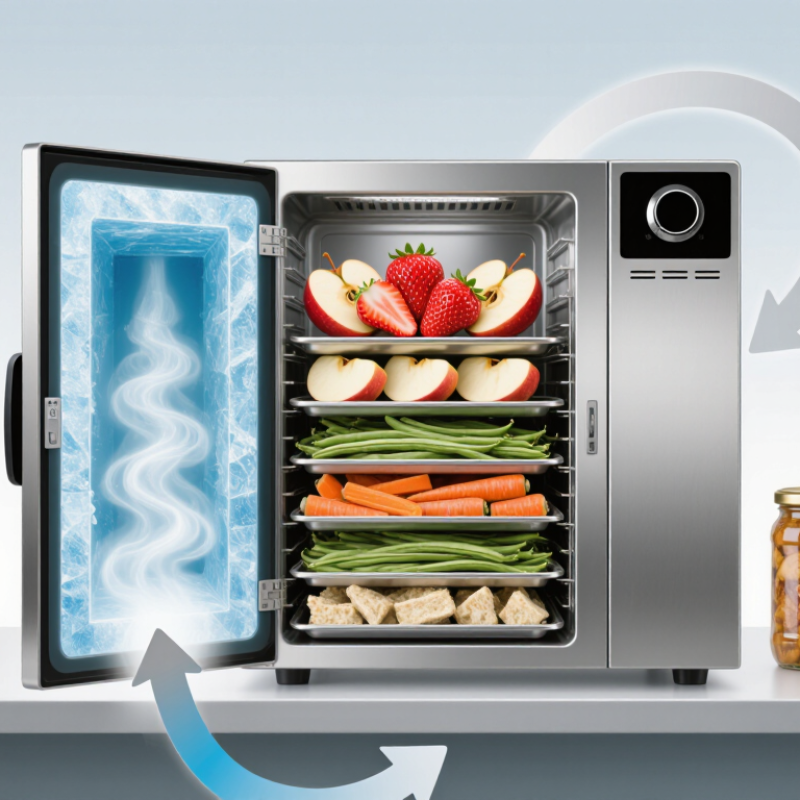
A Harvest Freeze Dryer uses three controlled stages: freezing, vacuum drying, and final drying. Food is first frozen into a hard, cold block. Under reduced pressure, ice changes directly into vapor. This process is called sublimation. The machine then removes remaining moisture from the food’s interior. A strawberry may emerge light and crisp, while its color and shape remain surprisingly recognizable. The result is not magic. Moisture, packaging, temperature, and storage conditions still matter.
Matt Marr, founder of Harvest Right, has described the purpose clearly: “Freeze drying preserves food while maintaining its original shape, color, flavor, and nutrition.” That claim deserves careful interpretation. Preservation quality depends on the food, cycle settings, and final moisture level. FDA technical guidance on lyophilization also emphasizes process control, vacuum performance, and moisture removal. This guide explains how a Harvest Freeze Dryer works, what happens inside its chamber, and where practical limits appear. The machine can extend shelf life dramatically. It cannot correct spoiled ingredients or poor packaging. Even experienced users sometimes learn that the hard way.
What Is a Harvest Freeze Dryer?
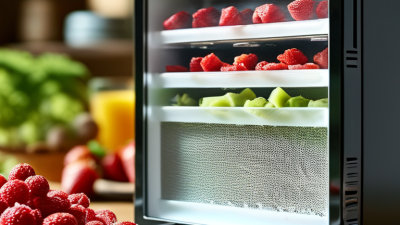
A harvest freeze dryer is a post-harvest preservation system that removes water from fresh produce through sublimation. It first freezes the crop, often below -30°C. A vacuum then lowers pressure inside the chamber. Ice changes directly into vapor, avoiding the liquid stage. This helps retain shape, aroma, color, and many heat-sensitive nutrients.
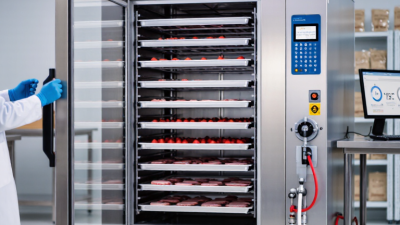
Operators may load sliced fruit, herbs, vegetables, or other permitted foods onto perforated trays. Primary drying removes frozen water slowly. Secondary drying removes moisture bound to the food structure. The process can take many hours. It also requires careful control of pressure, shelf temperature, and product thickness. Freeze-drying is not a magic seal. Poorly dried food can absorb moisture quickly and lose its crisp texture.
The need is substantial. FAO’s The State of Food and Agriculture 2019 estimates that 14% of global food is lost between harvest and retail. UNEP’s Food Waste Index Report 2024 records about 1.05 billion tonnes of food waste in 2022. A harvest freeze dryer cannot solve every loss. However, it can extend shelf stability when crops are abundant or transport is delayed. In practical operation, clean handling and suitable packaging matter as much as the drying cycle. This is often underestimated. Energy use and long processing times also deserve honest evaluation before installation.
What Is a Harvest Freeze Dryer and How Does It Work?
| Data Dimension | Typical Information | How It Relates to Freeze-Drying |
|---|---|---|
| Equipment Type | Vacuum freeze dryer | Removes ice from frozen material under reduced pressure instead of melting it first. |
| Primary Purpose | Long-term preservation of food and other moisture-sensitive materials | The process greatly reduces available water, helping limit microbial growth and many quality-degrading reactions. |
| Main Processing Stages | Freezing, primary drying, and secondary drying | Each stage removes water in a controlled way while helping preserve structure, color, aroma, and nutrients. |
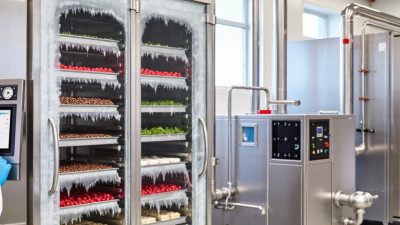
| Freezing Stage | The product is cooled below its freezing point until most free water becomes ice. | Rapid and uniform freezing generally produces smaller ice crystals, which can reduce structural damage during drying. |
| Typical Product Temperature During Freezing | Often approximately −30°C to −50°C, depending on the material and equipment | The required temperature varies with product composition, thickness, and its freezing behavior. |
| Primary Drying | Ice changes directly from solid to vapor through sublimation. | A vacuum lowers the pressure, while controlled shelf heat supplies energy for sublimation without causing the product to melt. |
| Secondary Drying | Bound water is removed after most visible ice has sublimated. | Shelf temperature is commonly increased carefully to reduce the remaining moisture to the desired level. |
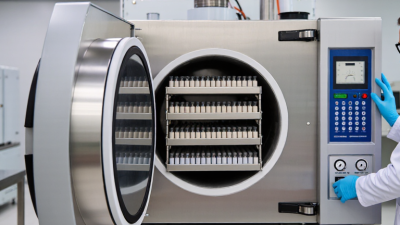
| Vacuum Function | Maintains low chamber pressure during drying | Low pressure enables sublimation and helps control the temperature of the product during moisture removal. |
| Condenser Function | Captures water vapor as ice | The cold condenser protects the vacuum pump and prevents water vapor from returning to the product chamber. |
| Typical Drying Time | Approximately 12–36 hours for many food loads | Actual time depends on water content, piece size, load thickness, chamber conditions, and the selected cycle. |
| Final Moisture Content | Often approximately 1–5% for properly processed foods | The target depends on the product, packaging, storage conditions, and required shelf life. |
| Texture After Processing | Light, porous, and often crisp | Sublimation leaves microscopic pores where ice crystals were located, allowing many foods to rehydrate relatively quickly. |
| Rehydration | Usually possible with water or another suitable liquid | The porous structure allows liquid to move into the dried material more easily than in many conventionally dried products. |
| Suitable Materials | Fruits, vegetables, cooked meals, herbs, dairy-based foods, and some biological materials | Suitability depends on fat content, sugar content, structure, safety requirements, and the material’s response to freezing and vacuum. |
| Key Quality Benefits | Good retention of shape, color, aroma, and many heat-sensitive nutrients | Low-temperature processing limits the heat exposure associated with many conventional drying methods. |
| Storage Requirement | Airtight, moisture-resistant packaging with appropriate oxygen control | Freeze-dried products readily absorb moisture from the air, so packaging and storage conditions strongly affect shelf life. |