Why Buy a Freeze Dryer for Global Buyers?
For global buyers, the decision to Buy Freeze Dryer involves more than comparing prices online. It requires a clear view of product quality, operating conditions, service support, and long-term value. A reliable freeze dryer can protect sensitive foods, pharmaceuticals, laboratory samples, and other permitted products through controlled low-temperature drying. It can help preserve structure, color, aroma, and shelf life. However, results depend on the product, recipe, vacuum performance, and operator training. No machine is perfect.
Practical buyers should examine chamber capacity, condenser temperature, vacuum-pump design, power requirements, control systems, and cleaning procedures. Export documentation also matters. Confirm voltage standards, shipping terms, warranty coverage, spare-parts availability, and local technical support before placing an order. A supplier with transparent specifications and traceable testing records deserves closer attention. Ask for sample results using your actual material, not only showroom demonstrations. A crisp strawberry may look impressive, but your coffee, herbs, or cultured sample may behave differently. That difference matters. Global purchasing also requires checking applicable safety, import, electrical, and product regulations in the destination market. Requirements vary by country and industry. Careful verification prevents expensive delays. Buyers should calculate total ownership costs, including installation, maintenance, energy use, packaging, and staff training. The cheapest quotation may become costly later. I may sound cautious, but cautious planning protects investment. The right purchase is not simply a larger machine. It is equipment matched to production goals, compliance needs, and dependable technical support.
What Is a Freeze Dryer and How Does It Work?
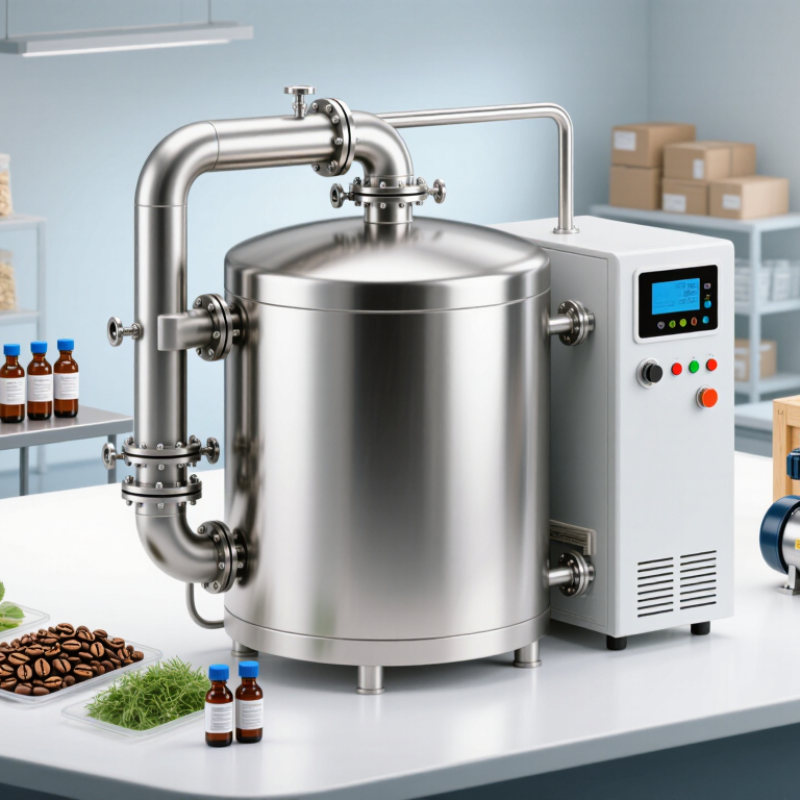
A freeze dryer removes water from food, pharmaceuticals, and other sensitive materials through sublimation. The product is frozen first, often below -30°C. A vacuum then lowers pressure inside the chamber. Ice changes directly into vapor, without becoming liquid. This protects structure, aroma, and many heat-sensitive compounds better than conventional hot-air drying.
The process has three stages: freezing, primary drying, and secondary drying.
During primary drying, gentle heat supports ice removal. Secondary drying reduces remaining bound moisture. The result is a lightweight product that can be rehydrated with water. It is not magic. Poor freezing, weak vacuum control, or excessive heat can damage quality. Operators must monitor shelf temperature, chamber pressure, moisture, and packaging conditions.
Global buyers often consider freeze dryers because lower weight can reduce transport costs and storage pressure. A 2023 MarketsandMarkets report estimated the lyophilization equipment market at about USD 3.1 billion, with continued growth through 2028. The FAO’s 2023 report also stated that 13.2% of food was lost before retail in 2021. Better preservation may help, but equipment alone cannot solve supply-chain waste. Buyers should compare batch size, energy use, vacuum performance, cleaning access, validation records, and local service support. A small laboratory unit and a commercial production system are very different investments. That difference matters.
Why Freeze-Drying Benefits Food, Medicine, and Other Products
Why Buy a Freeze Dryer for Global Buyers?
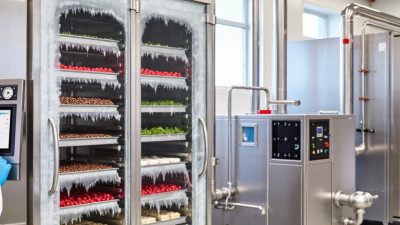
Freeze-drying protects food, medicine, and sensitive materials by removing water under low temperatures and vacuum. The process can preserve shape, color, aroma, and many nutrients better than ordinary hot-air drying. A strawberry may keep its bright red surface, while its crisp texture returns after rehydration. For medical products, controlled drying can improve storage stability, but it never replaces required testing or professional approval.
In practice, buyers should examine chamber capacity, temperature control, vacuum performance, cleaning access, and power compatibility. A small laboratory unit may suit research, while a larger system supports regular production. Packaging matters too. Moisture and oxygen can damage a carefully dried product within hours. I have found that users sometimes focus on machine size and overlook training, maintenance, and local service support. That is an expensive mistake. Freeze-drying is powerful, but it is not automatic preservation.
Tips: Test a small batch before purchasing. Measure drying time, final moisture, texture, and rehydration results. Keep written records for each product. Use validated procedures for medicines and follow local food and health regulations. Also, allow extra space around the equipment for ventilation and cleaning. Results may vary between batches. That deserves honest attention.
How to Choose the Right Freeze Dryer Capacity and Features
Choosing a freeze dryer starts with the product, not the machine’s advertised capacity. Estimate the real batch load by weight, volume, and moisture content. Fresh fruit, prepared meals, and laboratory samples behave differently during drying. A chamber rated for 10 kilograms may handle less after trays, spacing, and ice buildup are considered. Leave room.
For small production, a compact unit with adjustable shelf temperature may provide better control than a larger, basic model. Check condenser temperature, ice capacity, vacuum stability, and drying time. A condenser below -40°C suits many food applications, but moisture-heavy products may require stronger performance. Reliable sensors matter. They help operators detect pressure changes before a batch fails.
Global buyers should also examine voltage, frequency, plug configuration, and operating conditions. A machine designed for a dry indoor facility may struggle in a hot, humid warehouse. Useful features include recipe storage, data logging, automatic defrosting, alarms, and easy-to-clean contact surfaces. Confirm whether replacement pumps, seals, and sensors are available locally. Service delays can cost more than the original price difference. I have seen buyers focus on chamber volume while overlooking tray dimensions and door clearance. That mistake is easy to make. Ask for test data using a product similar to yours, not only empty-chamber specifications. Performance claims need context.
Why Buy a Freeze Dryer for Global Buyers?
How to Choose the Right Freeze Dryer Capacity and Features
The chart compares common batch ice-removal capacities with the equivalent wet product load, calculated at an 80% removable-water content. Actual performance depends on product formulation, tray loading, freezing point, cycle time, and moisture targets.
Global buyers should select capacity according to daily production demand and future growth. Important features include adjustable shelf temperature, low-temperature condenser performance, precise vacuum control, automatic cycle recording, food-contact construction, energy efficiency, and service support in the destination market.
What Global Buyers Should Know About Standards and Shipping
Buying a freeze dryer for international use requires more than comparing chamber size and quoted price.
The destination market may require electrical safety, electromagnetic compatibility, pressure equipment, or refrigerant documentation. Check the required voltage, frequency, plug type, and phase before signing a purchase order. A 380V machine cannot simply be connected to every industrial outlet.
Ask for the product’s test reports, declaration of conformity, wiring diagram, material specifications, and operating manual.
For food or laboratory applications, confirm that product-contact surfaces meet applicable hygiene requirements. Pharmaceutical use may involve stricter validation, traceability, and documentation. Standards differ by country, and one certificate rarely satisfies every authority. This point is often underestimated.
Shipping also affects the real cost.
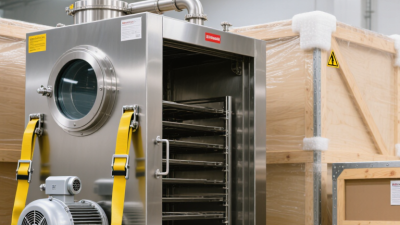
Measure the packed machine, not only the working dimensions. Confirm crate strength, lifting points, moisture protection, shock indicators, and insurance coverage. Customs documents should match the equipment description, tariff classification, origin, and declared value. Clarify Incoterms and who handles destination taxes, port charges, installation, and inland delivery. Do not assume the carrier will provide technical unloading support. Large units may need a forklift or a loading dock.
Request photos of final packing.
Small details matter. I have seen procurement plans change after discovering a narrow doorway or an unsuitable power supply. That reflection is useful: a technically excellent machine can still become a costly problem when local infrastructure and import rules are checked too late.