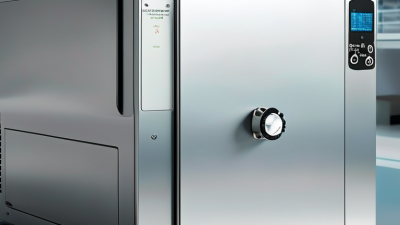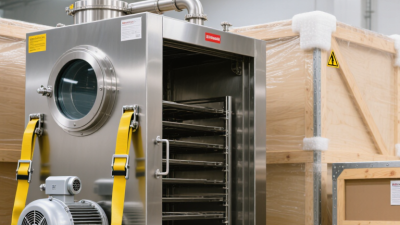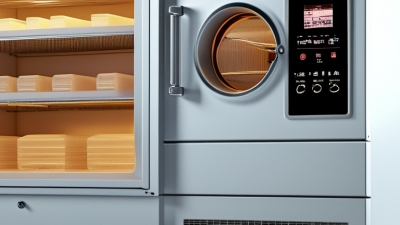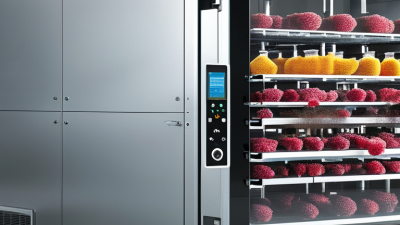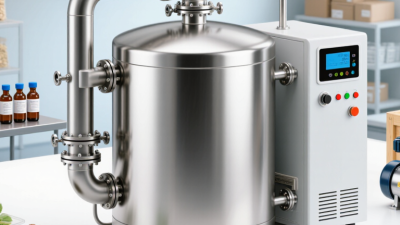
Choosing a Freeze Dryer can reshape how a business protects quality, extends shelf life, and manages seasonal supply. The process removes moisture through controlled freezing and vacuum drying. It helps preserve color, structure, aroma, and many heat-sensitive nutrients. A strawberry slice may keep its bright red surface and crisp texture months after processing. That difference can influence customer trust.
However, buying equipment is not a simple upgrade. It requires careful planning. Production volume, batch size, energy use, cleaning procedures, and available floor space all matter. Experienced operators also monitor freezing temperature, chamber pressure, drying time, and final moisture levels. Small changes can affect texture and rehydration performance. They should not be ignored.
Quality control matters.
A reliable Freeze Dryer should support repeatable results, clear operating records, and practical maintenance access. Businesses should review manufacturer documentation, service support, material standards, and staff training before making a decision. Independent testing may also help confirm product stability and packaging performance. These steps strengthen confidence without promising perfect outcomes.
The investment can be substantial, especially for smaller companies. Electricity costs, vacuum pump maintenance, and longer processing cycles may challenge early assumptions. Some products may not justify freeze drying at all. A careful pilot batch can reveal weaknesses before full-scale production begins. That is often where better decisions start.
This guide examines the main reasons businesses choose freeze drying, the operational responsibilities involved, and the questions buyers should ask. It focuses on practical evidence rather than impressive claims. After all, equipment should serve a clear business purpose.
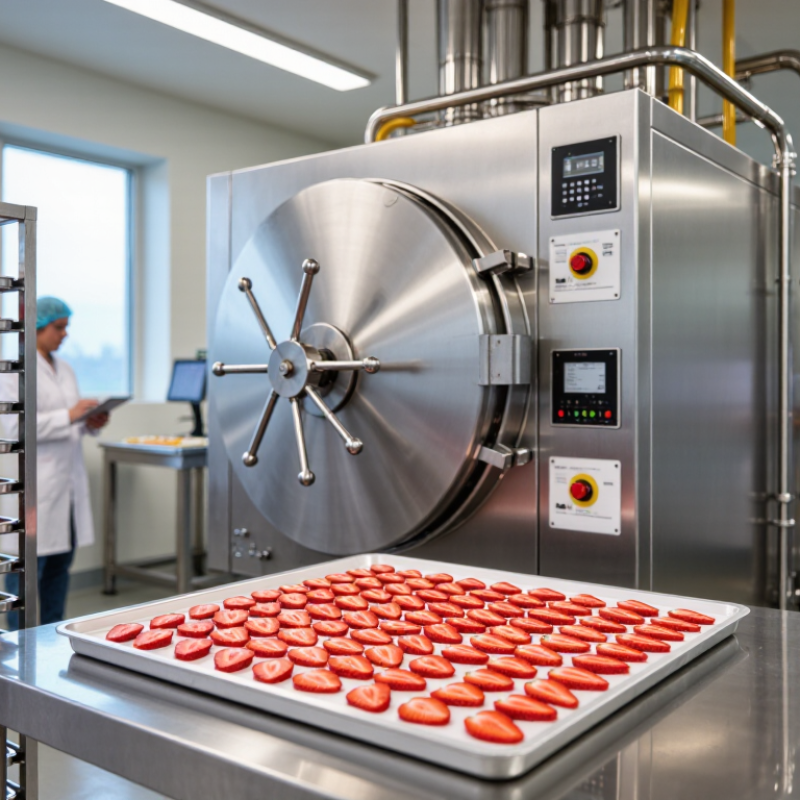
Freeze-drying protects delicate ingredients by removing ice through sublimation. In simple terms, frozen water changes directly into vapor without becoming liquid. This can preserve shape, aroma, color, and many heat-sensitive qualities. The process depends on controlled pressure, temperature, and time. Pressure below 611 Pa is a critical reference for water’s triple-point boundary. It helps prevent liquid water from forming during primary drying. The commonly cited −56.6°C figure needs care. It relates to carbon dioxide’s triple point, not water’s. In practice, product temperature and vapor pressure matter more than one impressive number.
A reliable cycle begins with uniform freezing. Thick pieces usually need longer drying. Vacuum stability also matters. Operators should monitor shelf temperature, chamber pressure, and product temperature together. A pressure rise test can help identify remaining ice. I have found that visual appearance alone can mislead operators. A crisp surface may hide moisture inside. That detail can affect storage life and texture.
Tips: Keep product layers thin and evenly spaced. Record each batch carefully. Adjust the cycle gradually, not aggressively. Use calibrated sensors and verify them regularly. Allow enough time for secondary drying when moisture targets are strict. The process is powerful, but it is not automatic. Small loading differences can change results. Accepting that uncertainty leads to better testing and more dependable production decisions.
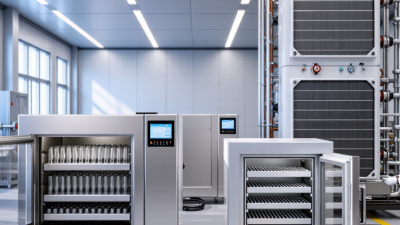
A freeze dryer can remove more than 95% of a product’s water, greatly reducing shipping weight. A kilogram of fresh fruit may become a small, lightweight pouch. This changes freight costs, warehouse space, and delivery planning. Fewer pallets may be needed for the same nutritional output. That matters when fuel prices rise or products travel across borders. The saving is not automatic, though. Packaging, labor, electricity, and machine capacity still affect the final margin.
The process also protects shape, color, aroma, and many heat-sensitive nutrients. A customer can add water and see the food regain much of its original form. That experience can support a higher-value product line. In practical production reviews, moisture testing is essential. A batch that feels dry may still contain enough moisture to shorten shelf life. Oxygen barriers and proper sealing matter just as much.
A careful business case should compare fresh-product weight with finished-product weight, then include yield loss and rejected units. Drying cycles may take many hours, and equipment needs trained operators. Electricity use can be significant. I would not promise a fixed return without reviewing product type, batch size, and shipping routes. Early calculations are often too optimistic. A pilot run can expose unexpected issues, such as uneven drying, brittle pieces, or packaging that fails during handling. Those details shape the real economics of freeze-dried production.
Why Choose a Freeze Dryer for Your Business?
A freeze dryer can support products that need extended shelf stability and careful quality control. Capacity planning is often more important than the machine’s advertised chamber size. A typical cycle may last 24 to 48 hours. That time includes freezing, primary drying, secondary drying, and unloading. Delays can affect the next batch.
Measure your real output, not only the tray volume. Record the average weight per tray, product thickness, moisture level, and loading time. A thin fruit slice may dry faster than a dense meal. Pre-freezing can improve consistency, but it adds labor and freezer space. Leave practical room between batches. A fully packed chamber may reduce airflow and extend drying time.
Small errors become expensive.
From production planning experience, businesses should test several representative batches before buying equipment. Track energy use, vacuum stability, drying time, and final moisture content. Build a buffer of several hours for cleaning, inspection, and unexpected delays. I once underestimated unloading time, and the next cycle started late. That mistake changed our schedule more than the drying process itself. Capacity models should include seasonal demand, operator availability, maintenance, and failed batches. A 24-hour cycle may sound efficient, yet a 48-hour cycle could offer better quality for thicker products. Review the data regularly, because assumptions often age faster than equipment.
A freeze dryer can turn a fragile harvest into a stable, lightweight product. That matters when berries bruise, herbs wilt, or cooked meals lose quality within days. The UNEP Food Waste Index Report 2024 estimated that 1.05 billion tonnes of food were wasted in 2022. Longer storage can help businesses reduce avoidable losses and protect seasonal inventory.
Freeze-dried food is commonly marketed with a shelf life of up to 25 years. That figure is possible, not automatic. The product must reach low moisture levels, then enter moisture-resistant packaging with oxygen control. Cool, dark storage also matters. USDA FoodKeeper guidance shows that storage life varies widely by food type, packaging, and conditions. A sealed pouch stored beside a hot loading door may fail far earlier.
The texture can remain surprisingly crisp. Strawberries often regain a bright aroma after rehydration, while soups may need careful water measurement. This is where operational experience matters. A small moisture leak can ruin an entire batch. Businesses should validate water activity, packaging seals, and retention samples. Some nutrients may decline during processing or storage, so “25 years” should never replace laboratory testing and honest date labeling. The technology is powerful. It is not magic.
Product Shelf Life: Preserving Foods for Up to 25 Years
Approximate maximum storage periods under suitable packaging and storage conditions. Actual shelf life varies by food type, moisture level, oxygen exposure, temperature, light, and packaging quality. Freeze-dried foods can retain quality for up to 25 years when properly packaged and stored in a cool, dark, dry environment.
Why Choose a Freeze Dryer for Your Business?
ROI and Compliance: Measuring Energy Use, Yield, and HACCP Readiness
A freeze dryer can protect product quality, but its energy bill demands honest measurement. Published studies commonly report freeze-drying energy use between 10 and 30 kWh per kilogram of finished product, depending on moisture, load, and cycle design. The European Commission’s Food, Drink and Milk Industries BREF identifies drying as a significant energy-consuming operation. Track kWh per batch, kilograms loaded, kilograms recovered, and rejected units. Yield matters. A two percent loss can erase an attractive margin.
The calculation is rarely perfect. Product density changes. Door openings add time. Small loads often waste capacity. A practical return-on-investment model should include electricity, vacuum-pump maintenance, labor, packaging, and rework. The 2022 U.S. Department of Energy Industrial Decarbonization Roadmap recommends process-level energy monitoring before efficiency investments. That advice fits freeze drying well. Measure for four weeks before changing the cycle.
Tips: Record chamber pressure, shelf temperature, cycle duration, and final moisture for every batch. Set a baseline. Then compare improvements against the same product and load size. For HACCP readiness, map hazards from receiving through sealed storage. Codex Alimentarius’ General Principles of Food Hygiene, updated in 2022, emphasizes validated controls, monitoring, corrective actions, and documented verification. Keep cleaning records visible. Train operators to identify failed seals, abnormal pressure, and incomplete drying. Do not assume a dry product is automatically safe. Water activity testing and environmental controls still matter.
| Business Metric | Typical Commercial Planning Range | How to Measure | Business Impact | HACCP / Compliance Relevance |
|---|---|---|---|---|
| Batch capacity | 10–100 kg of fresh product per batch for small and mid-sized commercial systems | Record loaded product mass before each cycle and actual usable output after unloading | Determines throughput, labor scheduling, storage needs, and potential annual revenue | Supports documented capacity limits and prevents overloading that may create uneven drying |
| Typical cycle time | 18–36 hours, depending on product thickness, formulation, loading density, and target moisture | Track freezing, primary drying, secondary drying, and unloading time separately | Affects daily batch count and the maximum annual production volume | Cycle records provide objective evidence that validated time and temperature limits were followed |
| Electrical energy per batch | Approximately 40–180 kWh for a 10–100 kg fresh-product load, depending on equipment and recipe | Use a dedicated power meter; record kWh from cycle start through defrost and shutdown | Provides the energy-cost basis for product costing and equipment comparison | Energy records help verify process consistency but do not replace food-safety controls |
| Specific energy use | About 1.2–3.5 kWh per kg of water removed under typical commercial operating conditions | Specific energy = total cycle kWh ÷ kilograms of water removed | Lower energy per kilogram improves gross margin and supports more accurate quotations | A documented energy baseline can identify abnormal cycles, leaks, refrigeration faults, or overloading |
| Product recovery yield | Typically 90–98% of acceptable finished product when loading, handling, and packaging are controlled | Recovery yield = saleable finished mass ÷ expected finished mass × 100 | Higher yield reduces raw-material waste and increases sellable output per batch | Yield deviations should trigger a documented investigation and corrective action |
| Final moisture target | Common food applications target approximately 1–4% moisture; the specification depends on the product | Test representative samples using a validated moisture analyzer or approved laboratory method | Controls texture, stability, packaging requirements, and expected shelf life | Moisture limits can be written as a measurable process or quality specification |
| Packaging oxygen exposure | Use moisture-barrier packaging; oxygen-control targets are product-specific and should be validated | Check seal integrity, package appearance, oxygen level where applicable, and packaging-room records | Reduces oxidation, moisture pickup, product loss, and customer complaints | Packaging controls form part of prerequisite programs and post-process contamination prevention |
| Labor requirement | Often 1–2 operators per shift for loading, unloading, inspection, cleaning, and packaging, depending on automation | Record direct labor minutes per batch, including sanitation and quality checks | Labor productivity is a major driver of payback and cost per finished kilogram | Training records and task sign-offs support prerequisite programs and audit readiness |
| Annual production utilization | A planning assumption of 60–80% scheduled utilization is commonly used to allow for cleaning, maintenance, changeovers, and downtime | Actual productive hours ÷ scheduled available hours × 100 | Prevents overly optimistic ROI calculations based on uninterrupted operation | Includes time for sanitation, inspection, calibration, and corrective maintenance |
| Energy cost contribution | Energy cost per batch = measured kWh × local electricity tariff | Use the billed tariff, demand charges, taxes, and time-of-use rates applicable to the facility | Creates a location-specific operating-cost figure instead of relying on generic machine claims | Supports documented utility monitoring within the facility management program |
| Simple payback period | Payback period = installed capital cost ÷ annual incremental cash contribution | Include product margin, yield improvement, labor, energy, maintenance, packaging, financing, and downtime | Shows whether additional production capacity can recover its investment within the required business horizon | Compliance costs should include validation, calibration, training, monitoring, and record retention |
| HACCP readiness scorecard | Ready when prerequisite programs, hazard analysis, monitoring, corrective action, verification, and records are documented | Audit documented procedures, calibrated instruments, batch records, sanitation logs, and traceability tests | Reduces launch delays, rejected batches, audit findings, and customer qualification risk | A freeze dryer supports HACCP implementation but does not automatically make a facility HACCP-compliant |